

Key takeaways
- New boxing gloves are broken in by using them progressively: start with light bag rounds and shadow work for the first several sessions.
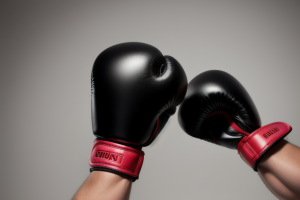
New boxing gloves are broken in by using them progressively: start with light bag rounds and shadow work for the first several sessions, flex the hand opening and wrist area between rounds, and let the foam and leather soften before you use them for harder sessions. Do not bake, soak, hammer or microwave them, because those shortcuts damage the padding and the stitching.
That answer holds whether you bought a leather pair for pad work or a synthetic pair for general fitness, though the timeline differs. This guide covers what “broken in” really means, a session-by-session plan, the shortcuts to avoid, and the care habits that keep a pair comfortable after the first month. It is written for beginners and for anyone upgrading to a stiffer model in 2026.
What Breaking In Actually Means
A new pair feels stiff for three reasons. The outer material has not yet flexed along the fold lines where the fingers close. The foam inside has not compressed to match your fist. And the lining has not yet shaped itself to your hand and wrist. Breaking in is simply the process of those three things adapting, and the only reliable way to speed it up is repeated, controlled use.
It is not about making the glove softer in protective terms. Padding that compresses too much stops doing its job. A properly broken-in glove should feel comfortable and closed around the fist, with the padding still firm across the knuckles and the wrist still supported.
A Session-by-Session Break-In Plan
Treat the first two weeks as a fitting period. The plan below assumes two to four sessions per week, which is typical for a beginner.
Sessions One and Two: Shadow Work and Light Bag
Wear your hand wraps and put the gloves on for warm-up and shadowboxing. Close and open the fist repeatedly while wearing them, and throw slow, relaxed punches into the air. Then do two or three easy rounds on a heavy bag at about half power. The aim is to flex the material, not to test it. If your wrist feels pinched or your fingers feel cramped, stop and re-wrap rather than forcing it.
Sessions Three to Six: Bag Rounds and Pad Work
Build up to full rounds on the bag and add pad work with a coach. By this point the fold at the finger area should start to move more easily. Between rounds, squeeze the gloves open and closed several times and gently roll the cuff. Keep the wrap pattern consistent so the glove adapts to the same fist shape each time.
Sessions Seven and Beyond: Normal Training
Most gloves feel noticeably more natural after roughly a couple of weeks of regular use, though stiffer leather models can take longer. If the pair still feels wrong after that, the issue is probably fit, size or wrap thickness rather than break-in. Ask your coach to check the fit before assuming the glove needs more time.
Shortcuts to Avoid
Online forums are full of fast-fix ideas. Most of them trade a short-term benefit for long-term damage.
- Heat from ovens, hair dryers or radiators: dries leather, cracks the surface and can stiffen the lining.
- Soaking or microwaving: water breaks down glue, stitching and foam; microwaves can melt synthetic parts.
- Hitting the gloves with a hammer or repeatedly stomping on them: destroys the padding structure and can leave dead spots over the knuckles.
- Leaving them in a hot car: heat accelerates cracking and odor.
- Oiling or heavy conditioning: can soften the outside while degrading the stitching and surface finish.
If a manufacturer publishes break-in or care instructions for a specific model, follow those over any general rule, including this one.
Fit Problems That Look Like Stiffness
Many beginners blame the gloves when the actual problem is size or wrapping. Use the table below to separate real break-in issues from fit issues.
| What you notice | Likely cause | What to try |
|---|---|---|
| Fingers cramp when you make a fist | Wraps too thick or glove too small | Rewrap with less bulk; check size with your coach |
| Wrist feels loose after a few rounds | Wrist closure not secured, or the wrap is too thin | Tighten the closure and re-wrap |
| Glove will not close fully | Normal stiffness in the finger fold | Open and close repeatedly during warm-up |
| Numbness or tingling | Wrap too tight or glove too tight | Stop, loosen, and consult a coach |
| Thumb feels trapped | Lining still tight or thumb attachment stiff | Flex the thumb area between rounds |
If you experience persistent pain, numbness or swelling in the hand or wrist, stop training and talk to a medical professional rather than pushing through.
Leather Versus Synthetic: What Changes
Genuine leather tends to start firm and soften with use, molding slowly around the fist and wrist. That process rewards patience: a few light weeks usually pay off in a pair that feels shaped to your hand. Synthetic leather and vinyl-style coverings often feel flexible straight away, but they can crease sharply at the fold lines and may wear faster at the seams, so gentle early rounds still help.
Foam construction matters as well. Dense multi-layer padding feels stiff at first and relaxes gradually, while a single softer foam layer can feel comfortable immediately yet compress sooner. When you shop, read the listing for the covering and padding description, and set your expectations to match. A firm feel in week one is not a defect, but a glove that stays painful after a month of light use deserves a fit check.
Closure style plays a part too. A hook-and-loop strap lets you adjust wrist tension in seconds, whereas laces need a partner but can give a tighter, more uniform hold. Whichever you use, close the wrist firmly before every round so the glove sits in the same position each session, because a consistent position is what lets the lining and foam settle evenly.
Care Habits That Make Gloves Last
A good break-in can be undone by poor storage. After every session, open the cuff fully and let the gloves air out away from direct sunlight. Wipe the inside with a dry or barely damp cloth, and use a glove deodorizer or moisture absorber if your gym bag stays closed all day. Never seal damp gloves in a plastic bag.
Rotate between two pairs if you train often, since foam recovers better when it is allowed to dry and rebound between sessions. Replace gloves when the padding feels flat, the lining tears, or the stitching starts to separate, because worn-out foam gives less protection to both you and your training partners.
Before You Start Checklist
- Confirm the glove weight and size match your gym’s guidance for bag work or sparring.
- Wear hand wraps in every session while breaking in, to protect your wrists and the lining.
- Plan two to three light sessions before any hard pad work or sparring.
- Bring a dry cloth and let the gloves air out after every class.
- Ask your coach to check the fit if the glove still feels uncomfortable after two weeks.
Related guides
- 16 Oz Boxing Gloves For Heavy Bag Training
- Combat Sports Terms Every Beginner Should Know
- Sports Bras For Boxing And Kickboxing
Frequently Asked Questions
How long does it take to break in boxing gloves?
Many pairs feel comfortable after about two weeks of regular training, though thick leather models may take longer. Synthetic pairs often feel ready sooner, but the exact timeline depends on the design and how often you use them.
Can I use new gloves for sparring right away?
It is better to use them for bag and pad work first. Fresh padding is firm and the fit may not be settled, and sparring is a poor time to discover a pinch point or loose wrist. Check with your coach before switching.
Does leather break in faster than synthetic?
Leather usually starts stiffer and softens more noticeably, while synthetic materials often feel flexible from day one. Neither is better for every buyer; the right choice depends on training type, budget and how you plan to care for the pair.
Is it normal for new gloves to smell?
New materials can have a chemical or glue odor that fades with airing. Over time, sweat odor is the larger issue, and proper drying after each session helps far more than any spray.
More from Amazon
Programs that pair well with the guide above. Offers and eligibility are set by Amazon and may change.
Free shipping on eligible items, Prime Video and more. Eligible new members can start with a free trial.
Start a Prime free trialAudiobooks and podcasts to listen to on the go. Eligible new members can start with a free trial.
Try Audible freeAd-free music streaming. Eligible new subscribers can start with a free trial.
Try Music Unlimited freeA free business account with business pricing and bulk-buying tools for work, shop or home office.
Create a business accountAs an Amazon Associate we earn from qualifying purchases.

Write Your Review
No reviews yet. Be the first to share your experience!