

Key takeaways
- Small above-ground pool: Dolphin E10 or a comparable above-ground robotic cleaner with a 30-foot-rated cable and top-load filter.
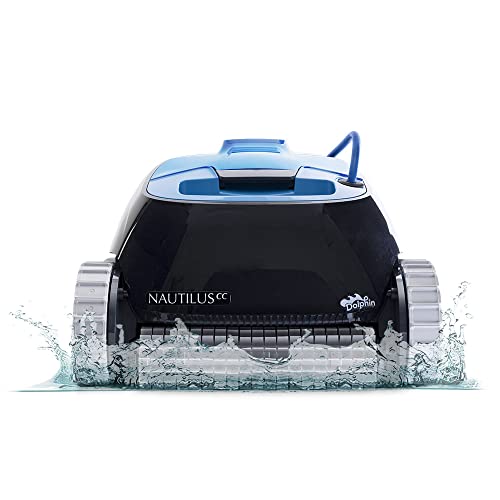
- Typical in-ground pool up to about 50 feet: Dolphin Nautilus CC Plus for dependable floor-and-wall cleaning and simple corded charging-free use.
- Large pool or frequent leaf fall: A corded cleaner with a long cable and large debris basket, or a premium cordless model with a high-capacity filter.
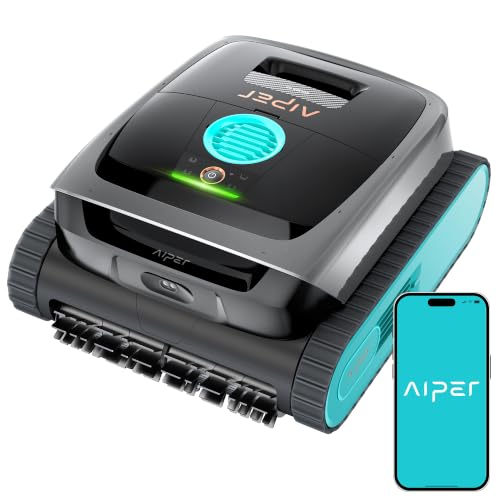
- Pool with no convenient outlet: Aiper Scuba S1 Pro or another cordless cleaner with a stated runtime of at least 150 minutes.
- Mostly fine dust and silt: Choose a model offering a fine or ultra-fine filter option rather than judging it only by its leaf capacity.
- Tile, fiberglass, or unusually smooth walls: Prioritize manufacturer-confirmed wall-climbing compatibility; floor-only models may be safer than a cleaner that repeatedly loses traction.
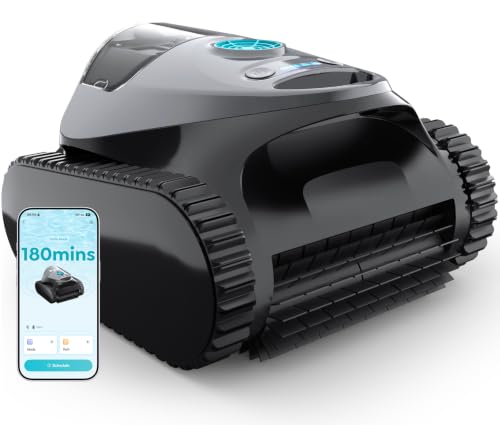
The best robotic pool cleaners are the ones matched to your pool’s length, surface, debris load, and cleaning schedule: choose a corded Dolphin Nautilus CC Plus or Dolphin E10 for predictable coverage and lower ownership cost, or a cordless Aiper Scuba S1 Pro, Beatbot AquaSense 2, or Maytronics Liberty model when cable-free operation matters most.
Our top picks
![[2026 NEW] C1 Robotic Pool Cleaner with 180Mins, Deep Gray](https://m.media-amazon.com/images/I/41dtMJtlXbL._SL500_.jpg)
As an Amazon Associate we earn from qualifying purchases at no extra cost to you. Ratings are shown as listed on Amazon.
Quick picks by pool and cleaning job
- Small above-ground pool: Dolphin E10 or a comparable above-ground robotic cleaner with a 30-foot-rated cable and top-load filter.
- Typical in-ground pool up to about 50 feet: Dolphin Nautilus CC Plus for dependable floor-and-wall cleaning and simple corded charging-free use.
- Large pool or frequent leaf fall: A corded cleaner with a long cable and large debris basket, or a premium cordless model with a high-capacity filter.
- Pool with no convenient outlet: Aiper Scuba S1 Pro or another cordless cleaner with a stated runtime of at least 150 minutes.
- Mostly fine dust and silt: Choose a model offering a fine or ultra-fine filter option rather than judging it only by its leaf capacity.
- Tile, fiberglass, or unusually smooth walls: Prioritize manufacturer-confirmed wall-climbing compatibility; floor-only models may be safer than a cleaner that repeatedly loses traction.
Best robotic pool cleaners compared
The figures below are useful buying benchmarks, but exact contents, software features, and regional specifications can change. Pool shape, water temperature, filter condition, and surface texture also affect real-world coverage.
| Cleaner or type | Power | Typical rated runtime or cycle | Pool-size guidance | Cleaning coverage | Filter/debris approach |
|---|---|---|---|---|---|
| Dolphin E10 | Corded | About 1.5-hour cycle | Above-ground pools up to roughly 30 ft | Floor-focused | Top-load basket; good for leaves and everyday dirt |
| Dolphin Nautilus CC Plus | Corded | About 2-hour cycle | In-ground pools up to roughly 50 ft | Floor and walls | Top-load basket; optional finer filtration on some configurations |
| Aiper Scuba S1 Pro | Cordless rechargeable | Up to about 180 minutes, depending on mode | Large residential pools; verify dimensions before purchase | Floor, walls, and waterline-oriented features on supported modes | Large filter basket; designed for mixed debris |
| Beatbot AquaSense 2 | Cordless rechargeable | Up to about 180 minutes, depending on model and mode | Residential pools, including larger layouts on premium versions | Floor, walls, and waterline on compatible models | Multi-stage filtration and substantial debris storage on higher trims |
| Generic corded wall-climbing cleaner | Corded | 1.5 to 2.5-hour programmable cycle | Usually 30 to 60 ft, depending on cable | Floor and walls; some include waterline scrubbing | Replaceable basket or cartridge; fine-filter options vary |
Corded versus cordless: which is the better trade-off?
Why corded cleaners remain strong choices
A corded robot draws continuous power, so its cleaning cycle does not end because a battery is low. That is valuable for a large pool, heavy leaf season, or a pool that needs frequent cleaning. You also avoid battery aging and charging downtime. The main disadvantages are cable management, the need for a suitable ground-fault-protected outlet, and the possibility that the cable tangles or restricts the robot in a pool with complex features.
For a 50-foot pool, measure the route from the outlet to the water entry point and add enough length for the robot to reach the far wall. A nominally “50-foot” cable may not provide 50 feet of practical reach after the power supply sits several feet away from the pool and the cable follows the waterline.
When cordless is worth paying for
Cordless models eliminate floating cable loops and are convenient for pools where the outlet is awkwardly positioned. They are particularly appealing when you clean often but do not want to deploy and coil a cable each time. The compromises are battery wear, charging time, a finite cleaning window, and the need to retrieve the robot before it reaches a low-charge protection mode.
A simple runtime calculation helps. If your pool requires two 90-minute passes to collect a heavy layer of debris, a cordless cleaner rated for 150 minutes may not finish the job in one charge. A model rated for 180 minutes has more margin, but ratings often represent an ideal floor-cleaning mode rather than the most demanding wall-and-waterline program.
Match the cleaner to the pool surface
- Vinyl liner: Look for soft, non-abrasive brushes and avoid dragging the robot across the deck. A cleaner that climbs aggressively but slips at the wall transition may provide less useful coverage than a floor-only model.
- Fiberglass: Smooth surfaces can challenge traction. Confirm that the manufacturer lists fiberglass compatibility and inspect the brush material before choosing a wall-climbing design.
- Plaster or exposed aggregate: These surfaces usually offer strong traction, but rough finishes can accelerate brush and track wear. Rinse abrasive grit from the filter and housing after cleaning.
- Tile: Waterline cleaning is attractive, but grout lines and algae film can affect grip. Select a model specifically rated for tile rather than assuming every wall-climbing robot will stay attached.
Filtration, climbing, and debris capacity matter more than app features
A large basket is not automatically the best choice. Leaf capacity reduces emptying frequency, while fine filtration determines whether cloudy dust and silt are captured instead of being stirred back into the pool. If your main problem is autumn leaves, prioritize a wide, easy-to-clean basket. If the pool accumulates dead algae, pollen, or fine sand, look for a replaceable fine-filter cartridge or multi-stage system.
Wall climbing depends on more than motor power. The robot must maintain traction while carrying a full basket, crossing the floor-to-wall angle, and dealing with waterline turbulence. A pool with rounded coves, steps, tanning ledges, or sloped walls may never receive complete coverage from a standard rectangular robot. Check whether the manufacturer excludes steps or says only “walls” without promising stairs and benches.
Decision matrix: spend according to your situation
| Your situation | Best specification to prioritize | Most sensible choice |
|---|---|---|
| Cleaning once weekly, small pool, limited budget | Simple floor coverage, washable basket, low replacement-part cost | Compact corded above-ground cleaner |
| Cleaning two or three times weekly | Reliable scheduling, wall climbing, accessible filter | Corded floor-and-wall model |
| Heavy leaves and long periods between cleanings | Large debris basket and easy emptying | Large-basket corded unit or premium cordless model |
| No nearby outlet or cable is unacceptable | At least 150 minutes of usable runtime and clear battery warranty | Cordless rechargeable cleaner |
| Fine dust is the main issue | Fine-filter option and sealed filtration path | Model with multi-stage or replaceable fine filtration |
| Complex pool with steps and ledges | Coverage map that explicitly includes those features | Cleaner with app-guided spot cycles, supplemented by manual brushing |
Ownership costs and maintenance realities
Residential robotic cleaners commonly span roughly $500 to $2,000 or more, depending on coverage, navigation, battery design, and filtration. The purchase price is only part of the cost. Brushes, tracks, filter baskets, drive components, floating cables, and cordless batteries are the parts most likely to require attention. Replacement availability can matter more than a small difference in initial price.
For example, suppose a corded cleaner costs $900 and is used twice weekly for five months of the year over five years. That is approximately 520 cleaning cycles, or about $1.73 per cycle before electricity and replacement parts. A $1,400 cordless cleaner used on the same schedule costs about $2.69 per cycle before battery replacement. The cordless option may still be the better purchase if cable handling would cause you to clean less often, but the convenience has a measurable cost.
How to set up and preserve a robotic cleaner
- Remove large debris first. Skim branches and oversized leaves so they do not block the intake or fill the basket immediately.
- Check chemistry and water level. A robot is not a substitute for balanced water or adequate circulation. Excessive debris and poor water clarity make any coverage claims less meaningful.
- Place the robot in the pool before starting it. Do not run a submerged pump on the deck, and keep a corded power supply away from standing water.
- Use the correct cycle. A floor-only cycle saves battery and time when walls are clean; a full cycle is more appropriate after storms or heavy use.
- Remove and rinse the basket after every cycle. Fine particles harden as they dry and restrict flow. Emptying a cordless model before charging also prevents unnecessary weight and odor.
- Store it out of direct sun. UV exposure and heat shorten the life of plastics, seals, cables, and batteries. Keep the robot dry and supported rather than hanging it by its cable.
Common buying mistakes
- Buying a 30-foot-rated cleaner for a 40- or 50-foot pool.
- Assuming “wall climbing” includes steps, benches, and every waterline shape.
- Choosing maximum battery runtime while ignoring recharge time and battery replacement support.
- Using a coarse leaf basket when the pool’s real problem is fine silt.
- Leaving the robot in the water permanently, which exposes seals and materials to chemicals unnecessarily.
- Expecting a robotic cleaner to replace brushing, skimming, water testing, and occasional manual vacuuming.
Final recommendation
For most owners, the best robotic pool cleaners are dependable corded floor-and-wall models sized to the pool, especially when the pool is near a power outlet and cleaned several times per week. Choose cordless when cable-free handling is worth the higher price and battery limitations. Before buying, verify the pool’s maximum length, surface compatibility, actual cleaning coverage, filter type, basket size, warranty, and availability of brushes, tracks, cables, or batteries. Those details determine whether the robot remains easy maintenance equipment or becomes another pool chore.





Write Your Review
No reviews yet. Be the first to share your experience!