

Key takeaways
- Wrapping with a twisted wrap, which creates a ridge under the glove that presses on tendons.
- Skipping the wrist turns and only padding the knuckles, which leaves the wrist unsupported.
- Using the same damp pair every day. Moisture breeds bacteria and speeds wear.
- Buying the cheapest wrap with no elastic. A rigid, non-stretch wrap cannot conform to the knuckles.
- Ignoring pain. Wraps support the hand but do not replace good technique or rest; persistent hand pain is a reason to see a medical professional.
The best hand wraps for most boxers are 180-inch semi-elastic cotton-blend wraps with a thumb loop and a hook-and-loop closure, because that length covers the wrist, thumb and knuckles with enough layers to protect the small bones of the hand. Shorter 108 to 120 inch wraps suit smaller hands and kids, and slip-on gel quick wraps suit people who want speed over fit. Below are the real wrap types and models worth considering, plus the numbers that decide which length to buy.
Our top picks


As an Amazon Associate we earn from qualifying purchases at no extra cost to you.
Quick Comparison of the Picks
| Pick | Best for | Key specs | Price range |
|---|---|---|---|
| Title Boxing Mexican-style wraps | Best overall | 180 in, semi-elastic cotton blend, thumb loop, hook-and-loop end | Budget |
| Hayabusa Perfect Stretch wraps | Best for a snug, even fit | Stretch weave, 180 in class, thumb loop, designed to stay flat | Mid |
| Fairtex HW2 hand wraps | Best for Muay Thai | Approx. 4.5 m (about 177 in), semi-elastic, Thai-style | Budget to mid |
| Venum Kontact wraps | Best for training bags | Around 4 m, cotton-polyester blend, loop closure | Budget |
| Everlast Evergel style quick wraps | Best quick option | Slip-on glove with padded knuckle, strap wrist closure | Budget to mid |
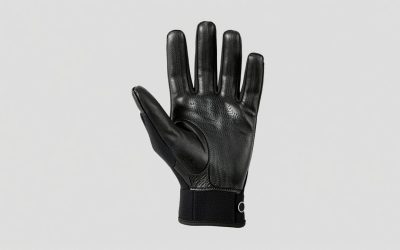
| Inner gloves with wrist wrap | Best for fast sessions | Fabric glove with knuckle gel, adjustable wrist strap | Budget to mid |
Check the length and the closure on each listing, since brands release several versions. Details here come from maker descriptions and spec sheets rather than personal use.
Best Overall: Title Boxing Mexican-Style Wraps (180 in)
Mexican-style wraps are semi-elastic, which means they give a little when you wrap them around the knuckles and then hold firm. Title Boxing’s 180 inch version is a classic gym staple, usually in cotton and elastic blend with a thumb loop and a strong hook-and-loop closure. At 180 inches (about 4.5 m), the length gives you enough material to wrap the wrist two to three times, build a knuckle layer and lock the thumb.
The trade-off is that the wrap takes practice to apply neatly, and cheap versions lose elasticity after dozens of washes. Replace them when the thumb loop stretches out or the hook-and-loop end stops gripping.
Best for a Snug, Even Fit: Hayabusa Perfect Stretch Wraps
Hayabusa’s Perfect Stretch wraps use a woven fabric that stretches uniformly, so the layers lie flatter and are less likely to bunch under a glove. That is useful if your hands are bony or you notice pressure points in a thick wrap. The maker markets these as a premium option, and they sit above the basic gym wraps in price.
The trade-off is cost, and the stretchy fabric can feel tight if you wrap with too much tension. Use light, even pulls rather than cranking each turn.
Best for Muay Thai: Fairtex HW2 Hand Wraps
Fairtex is a Thai brand, and its HW2 wraps are made for a style of training that includes clinching, elbows and heavy bag work. The length, around 4.5 m, gives enough coverage for a thorough knuckle and wrist wrap. These are mid-priced but durable, and the colors are popular in many gyms.
The trade-off is that the wraps are less snug than a stretch-weave design, so you may need to double the wrist wrap on sore wrists.
Best for Training Bags: Venum Kontact Wraps
Venum’s Kontact line focuses on everyday gym use. A roughly 4 m length works well for adult hands of average size, and the cotton-polyester blend dries faster than pure cotton. If you wrap and wash after every session, a pair like this will last through months of regular training.
The trade-off is that the blend is thinner than the semi-elastic styles, so people with large hands may want a longer pair.
Best Quick Option: Slip-On Gel Quick Wraps
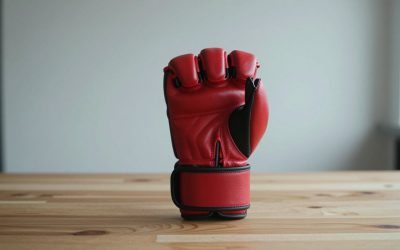
Everlast and other brands sell glove-style quick wraps with a padded knuckle and a wrist strap. They are fast to put on and ideal for cardio boxing classes, but they do not tighten the wrist the way a long wrap does. For serious bag or sparring work, most coaches still favor traditional wraps and use quick wraps for convenience.
Best for Fast Sessions: Inner Gloves
Inner gloves slide on like a thin glove and include a wrist wrap. They add a little knuckle cushion and keep sweat off the glove lining. Treat them as a convenience tool, not a full replacement for a proper wrap when you hit hard.
Which Length Should You Buy?
Match length to hand size and use. A wrap that is too short leaves the wrist and thumb under-supported; one that is too long makes bulk inside the glove.
| Hand and use | Suggested length | Why |
|---|---|---|
| Kids and very small hands | 108 to 120 in | Avoids bunching in smaller gloves |
| Average adult hands, general training | 150 to 180 in | Covers wrist, thumb and knuckles |
| Large hands or heavy bag power work | 180 in | Extra layers on the wrist and knuckles |
| Muay Thai with thin gloves or no gloves | 180 in or more | More padding over the knuckles |
If you wear 16 oz gloves on a heavy bag, a 180 inch wrap usually fits. In 10 or 12 oz gloves, you may need to use a slightly thinner wrap so the glove closes comfortably.
How to Wrap in Five Steps
- Thumb loop on, hand spread wide. Spreading the fingers stops you from wrapping too tight across the knuckles.
- Wrist first. Make two or three turns around the wrist, because the wrist is the joint most likely to fold on impact.
- Cover the knuckles. Take three to four layers across the knuckles to cushion the impact point.
- Lock the thumb. Pass the wrap around the thumb base to keep it from bending back.
- Finish at the wrist. Seal with the hook-and-loop strip so the tail does not unravel in the glove.
Worked Example: Cost per Month
Suppose you train four days a week and wash your wraps after every session. With two pairs in rotation, each pair is used twice a week. If a pair costs about as much as a coffee-shop lunch and lasts roughly eight months before the elastic gives out, that is around 70 uses per pair, so cost per session is small compared with a glove replacement. Buying two pairs lets one dry while the other is in use, which also reduces odor and bacteria.
Choosing by Glove Size and Training Style
Your gloves change which wrap works best. In 16 oz bag gloves there is plenty of room, so a full 180 inch wrap with extra knuckle layers fits comfortably. In 12 oz sparring gloves the interior is tighter, so a thinner semi-elastic wrap or a slightly shorter 150 inch pair prevents the bulky feeling that makes your fingers go numb. In 8 to 10 oz competition-style gloves, most fighters use a minimal wrap with a single knuckle layer and a firm wrist wrap.
For Muay Thai, where you may also wrap for pad work and clinching, a longer wrap helps pad the knuckles during bare-handed drills. For kickboxing fitness classes, a quick wrap or inner glove is usually enough because contact is lighter. If you train both striking and grappling arts, keep a dedicated pair for bag work and a second pair for rotation so you are never forced to wear a damp wrap.
Common Mistakes to Avoid
- Wrapping with a twisted wrap, which creates a ridge under the glove that presses on tendons.
- Skipping the wrist turns and only padding the knuckles, which leaves the wrist unsupported.
- Using the same damp pair every day. Moisture breeds bacteria and speeds wear.
- Buying the cheapest wrap with no elastic. A rigid, non-stretch wrap cannot conform to the knuckles.
- Ignoring pain. Wraps support the hand but do not replace good technique or rest; persistent hand pain is a reason to see a medical professional.
Care and What Wears First
- Wash in a mesh bag on a cold cycle and air-dry. Heat shrinks elastic fibers.
- Close the hook-and-loop strip before washing so it does not snag the wraps.
- The thumb loop and the closure patch wear first. Replace the wrap when the loop stretches or the strip stops holding.
- Never store damp wraps inside gloves or a closed bag.
Frequently Asked Questions
Do I need hand wraps if I wear boxing gloves?
Yes, for most training. Gloves protect the outside of the hand, but wraps hold the small bones of the hand and the wrist in place and absorb sweat, which lowers the risk of common hand injuries.
What length of hand wrap is best?
A 180 inch wrap suits most adults, while 108 to 120 inches suits kids and very small hands. If you have large hands or hit a heavy bag hard, a full 180 inches is the safer choice.
Are gel wraps as good as cloth wraps?
Gel quick wraps are convenient and fine for light sessions or fitness classes. Cloth wraps give a more customizable fit and better wrist support, so they remain the standard for sparring and heavy bag work.
How often should I replace hand wraps?
Replace them when the elastic is limp, the thumb loop is stretched out or the closure no longer grips. With regular washing, many pairs last several months to a year.
Can I wash hand wraps in the washing machine?
Yes, in a mesh bag on a cold gentle cycle with the closure fastened. Hang them to dry rather than using a dryer, since heat can ruin the elastic.
Should hand wraps feel tight?
Snug but not painful. If your fingers tingle or turn pale, the wrap is too tight, so unwrap and use less tension. If you have ongoing hand or wrist pain, speak to a qualified professional.


Write Your Review
No reviews yet. Be the first to share your experience!