

Key takeaways
- Cowhide. Tough and abrasion-resistant. Common in work, ski and winter gloves. Heavier than lamb.
- Goatskin. Strong for its thickness, with a fine grain and good grip. GearJunkie points to a goat leather palm on the Hestra Windstopper Tour.
- Lambskin. Soft and thin, ideal for dress and driving gloves, but less durable.
- Deerskin and elk. Soft yet tough, popular in work and outdoor gloves, and they tend to remain flexible after getting wet and drying.
- Pigskin. Breathable and often used in work gloves; it tends to dry softer than cowhide.
- Synthetic leather. Cheaper and washable, but typically wears and breathes differently from natural leather.
The best leather glove depends on what you ask of it: the Hestra Fall Line suits buyers who want a premium, warm cowhide glove for cold days and snow, the Carhartt A518 grain-leather glove suits people who need a durable, affordable work glove, and the Isotoner stretch leather glove suits those who want a light, fleece-lined everyday glove with touchscreen compatibility. Everything else comes down to leather type, lining, fit and how much care you are willing to give.
Leather gloves cover a wide range, from slim dress and driving styles to heavy work and ski gloves. A glove that is ideal for steering a car on a cool morning may be a poor choice for stacking firewood, and a rugged work glove may feel clumsy for daily wear. The sections below describe the main types, what makers and reviewers say about specific models, and how to pick the right size and care routine.
Our top picks
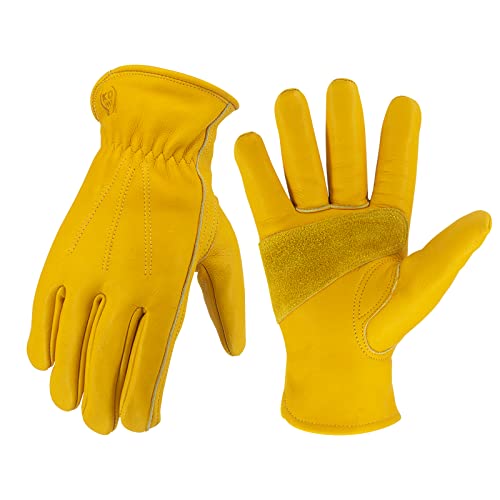


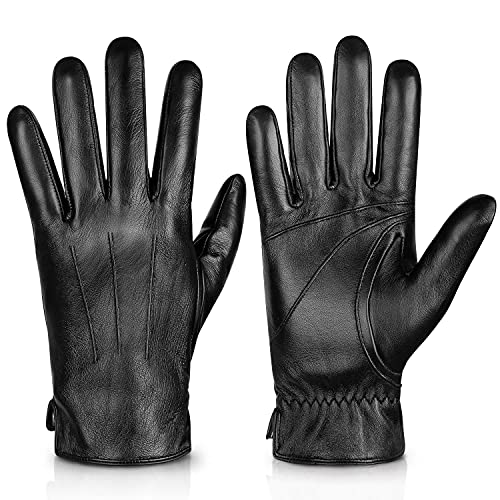
As an Amazon Associate we earn from qualifying purchases at no extra cost to you.
At a Glance: Leather Glove Options Compared
| Glove | Best for | What reviewers report | Limits |
|---|---|---|---|
| Hestra Fall Line | Cold weather and snow, premium use | Treeline Review lists it as best leather winter glove and best overall ski glove, praising a cowhide shell, warmth and dexterity | BetterTrail notes the absorbent leather and lack of a waterproof liner are not ideal in wet conditions; premium tier |
| Hestra Army Leather Heli | Ski glove with removable liner | Switchback Travel names it best overall ski glove; GearJunkie scores it 8.5 out of 10 | Needs maintenance to stay water-resistant |
| Hestra Windstopper Tour | Light cold-weather and Nordic use | GearJunkie highlights a grippy goat leather palm in a lightweight glove | Not for deep cold |
| Carhartt A518 grain leather | Work, yard tasks, general utility | Reviewed.com ranks it first among work gloves for balancing dexterity and protection | Utilitarian styling; that review page is older |
| Isotoner stretch leather | Everyday and commuting wear | Sloweather’s women’s roundup ranks it first, praising four-way stretch, fleece lining and touchscreen use | Affiliate-style source; light protection |
Treat these listings as reviewer opinion rather than guarantees. Several of the roundups are affiliate-supported, so details like lining and touchscreen features should be confirmed on the maker’s own product page before you buy.
Types of Leather Gloves
Dress and driving gloves
Thin lambskin, goatskin or similar leathers make a close, flexible glove that keeps wind off the hands without bulk. Linings range from none to silk, wool, cashmere or fleece. These gloves look sharp and give excellent feel on a steering wheel, but they offer limited warmth and little abrasion protection. Water spotting can mark fine leathers.
Lined everyday gloves
Mid-weight leathers with fleece or synthetic lining form the bulk of what people think of as leather gloves for winter errands. The Isotoner stretch leather style falls here, according to Sloweather’s description. Stretch panels help fit, while touchscreen tips let you handle a phone. They are comfortable in cool weather and less suited to snow or heavy tasks.
Work gloves
Cowhide and goat grain leather in thicker cuts hold up to rough surfaces, splinters and abrasion. The Carhartt A518 is the sort of grain-leather work glove that Reviewed.com ranked first for balancing dexterity and protection. These gloves usually have reinforced palms and unlined or lightly lined interiors. They suit yard work, hauling and tool use, but they are not safety-rated for specific hazards unless the maker says so.
Winter and ski gloves
Thick cowhide with insulation and sometimes a membrane is the formula behind gloves such as the Hestra Fall Line and Army Leather Heli. Reviewers like leather here for grip, durability and a supple feel that improves with use. The trade-off is upkeep: leather absorbs water unless it is treated, so gloves need regular waxing or conditioning to stay water-resistant.
Leather Types and What They Mean
- Cowhide. Tough and abrasion-resistant. Common in work, ski and winter gloves. Heavier than lamb.
- Goatskin. Strong for its thickness, with a fine grain and good grip. GearJunkie points to a goat leather palm on the Hestra Windstopper Tour.
- Lambskin. Soft and thin, ideal for dress and driving gloves, but less durable.
- Deerskin and elk. Soft yet tough, popular in work and outdoor gloves, and they tend to remain flexible after getting wet and drying.
- Pigskin. Breathable and often used in work gloves; it tends to dry softer than cowhide.
- Synthetic leather. Cheaper and washable, but typically wears and breathes differently from natural leather.
Grain, or full-grain, refers to the outer layer of hide and is generally more durable and water-resistant than split leather, which is cut from the lower layers. Makers describe their leathers differently, so read the product details rather than assuming.
Lining and Insulation
Unlined gloves give the best feel and break in quickly, but offer little warmth. Fleece is inexpensive and warm for the thickness. Wool and cashmere add softness and warmth in dressier gloves. Synthetic insulation keeps working when damp and is common in ski and work gloves. Removable liners, as in the Army Leather Heli, make drying easier and give you a choice of weights.
Fit and Sizing
Leather gloves should fit snugly at first, because leather stretches with wear. Measure around the knuckles of your dominant hand, excluding the thumb, and compare the measurement to the maker’s size chart. Fingers should reach the end of the glove without being crushed, and the thumb should bend without pulling at the palm. Too large and the glove wrinkles and loses dexterity. Too small and seams strain, which shortens life.
Different makers cut differently, so a size in one brand may not match another. Women’s, men’s and unisex sizes also vary. If you are between sizes, choose the smaller for unlined gloves that stretch, and the larger for lined gloves that need room for insulation.
Care and Maintenance
- Dry slowly. If gloves get wet, shape them, blot with a towel, and let them dry at room temperature. Radiators and direct heat can crack leather.
- Condition. Use a leather conditioner or wax recommended by the maker. Hestra and other makers sell their own products for their leathers.
- Spot-clean. Wipe dirt with a damp cloth and mild soap, following the care label. Most natural leather gloves should not go in a washing machine unless the maker says so.
- Store flat or loosely. Avoid compressing them while damp, and keep them away from damp basements and car trunks.
- Rotate pairs. If you wear gloves daily, alternating lets them dry fully and extends life.
Budget Tiers
Budget tier. Stretch leather with fleece lining, and grain-leather work gloves like the Carhartt A518, offer the most use for the least spend. Expect simpler construction and fewer sizing options.
Mid-range tier. Gloves with better leather, insulated linings and careful stitching sit here. They suit commuters who want a long-lasting winter glove without paying for specialty ski features.
Premium tier. Hestra and similar makers occupy this tier. Reviewers praise warmth, fit and supple leather, and note the need for ongoing care. The Fall Line and Army Leather Heli are examples that outlets rate highly for snow use.
Pick X If: Decision Table
| If you… | Pick | Keep in mind |
|---|---|---|
| Want a premium glove for cold and snow | Hestra Fall Line or Army Leather Heli | Condition the leather regularly |
| Need a work glove with balanced feel | Carhartt A518 | Check that fit allows tool control |
| Want a light daily glove with touch tips | Isotoner stretch leather | Light warmth only |
| Ski cross-country or cycle in cool weather | Hestra Windstopper Tour | Lightweight; not for extreme cold |
| Drive often and want feel | Thin lambskin or unlined driving glove | Little insulation |
Alternatives
- Synthetic softshell gloves. Lighter and easier to wash, with touchscreen function and wind resistance, but a different feel from leather.
- Wool and knit gloves. Breathable and cheap for mild cold, though they let wind through.
- Waterproof insulated gloves. Switchback Travel names the Carhartt Waterproof Insulated glove as a budget waterproof pick for wet conditions where untreated leather would struggle.
Frequently Asked Questions
How long do leather gloves last?
It depends on the leather, how often you wear them and how you care for them. Well-made gloves that are conditioned and dried properly can last many seasons. Heavy work use shortens life, as does drying on a radiator.
Do leather gloves stretch?
Yes, most do, especially unlined styles. Expect a small amount of give after the first weeks of wear, so a snug fit at purchase is normal. Stretch panels in styles like the Isotoner glove add flexibility from the start.
Can I wash leather gloves?
Usually not in a machine. Wipe them with a damp cloth and mild soap, then dry slowly and condition them. If the care label says washable, follow its instructions exactly.
Are leather gloves waterproof?
Natural leather is not waterproof on its own. Wax treatments and membranes improve resistance, but BetterTrail’s note on the Hestra Fall Line shows that even premium leather gloves can soak through in wet conditions. For heavy rain or wet snow, a waterproof liner or shell is the safer choice.
Which lining is warmest?
Synthetic insulation and thick fleece suit the coldest conditions, while wool and cashmere are cozy in dressier gloves. Fit matters as much as material, since tight gloves compress insulation and lose warmth.
Are leather gloves good for touchscreens?
Only if the maker adds conductive tips or fabric on the fingers. Reviewers note some stretch leather gloves, like the Isotoner style, include touchscreen compatibility, but plain leather will not register on most screens.








Write Your Review
No reviews yet. Be the first to share your experience!