

Key takeaways
- Variable hardness or manual timing: useful for stopping before a dense mix becomes overly firm around the paddle.
- Automatic shutoff: prevents the machine from continuing after the mixture has reached its programmed consistency.
- Reverse or dedicated gelato paddles: can reduce air incorporation compared with an ice-cream-focused dasher.
- Transparent lid: allows you to inspect the mixture and add chocolate, nuts, or fruit without opening the entire bowl.
The best gelato makers for most homes are compressor machines if you want repeatable texture and spontaneous batches, while freezer-bowl models are the better value when you have room in the freezer and make gelato occasionally.
Our top picks


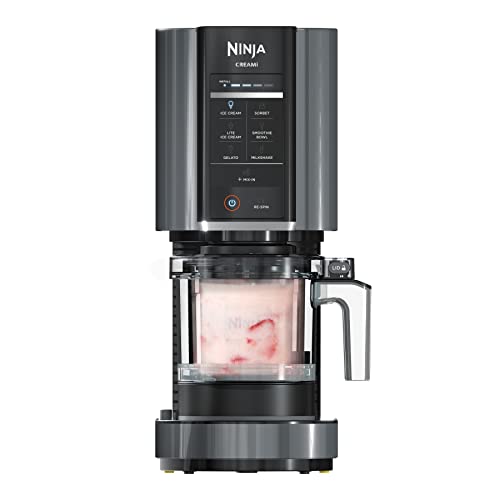

As an Amazon Associate we earn from qualifying purchases at no extra cost to you. Ratings are shown as listed on Amazon.
Best gelato makers by situation
| Situation | Best design | Typical suitable choice | Why it fits |
|---|---|---|---|
| Lowest upfront cost | Freezer-bowl | Cuisinart ICE-30BC or similar 1.5-quart model | Usually costs about $60–$120 and has few parts to fail |
| Weekly gelato and little advance planning | Compressor | Cuisinart ICE-100 or Whynter ICM-201SB | Self-freezes the mix and can make successive batches |
| Maximum texture control | Compressor | Breville Smart Scoop or Lello Musso 4080 | Offers selectable programs or manual control and stronger freezing performance |
| Large batches and long service life | Heavy-duty compressor | Lello Musso 4080 or Musso Pola | Metal construction and robust refrigeration systems suit frequent use |
| Very limited counter space | Freezer-bowl | Compact 1–1.5-quart machine | Can be stored in a cupboard after the bowl has frozen |
Compressor versus freezer-bowl gelato makers
Compressor machines: convenience and repeatability
A compressor gelato maker contains its own refrigeration system. You pour in a chilled base, select a setting or timer, and begin churning without freezing a removable bowl first. That makes it the practical choice for households that make gelato more than once or twice a month, want to prepare a second flavor the same day, or dislike planning 12–24 hours ahead.
The main compromise is price, weight, and storage. Household compressor machines commonly cost about $250–$900, weigh roughly 25–40 pounds, and occupy a permanent footprint on the counter or in a sturdy cupboard. Their compressors also produce a low mechanical hum and release heat into the room while operating.
The Cuisinart ICE-100 is a relatively accessible compressor model with a nominal 1.5-quart capacity and separate paddles for ice cream and gelato or sorbet. The Breville Smart Scoop is another 1.5-quart-class option, with automatic programs and adjustable hardness. The Whynter ICM-201SB offers a larger 2.1-quart stated capacity, although filling it to the maximum is rarely advisable for a dense gelato base.
Freezer-bowl machines: inexpensive but schedule-dependent
A freezer-bowl machine uses a double-walled bowl filled with a refrigerant solution. The bowl must be frozen solid before churning, usually for at least 12 hours and sometimes longer in a crowded freezer. The motor turns the dasher while the frozen bowl removes heat from the mix.
These machines are generally lighter, quieter, and less expensive. A Cuisinart ICE-30BC, for example, is a familiar 1.5-quart-class design. However, the bowl gradually warms during use, so it normally handles one batch at a time. A second batch requires another frozen bowl or another full freezing cycle.
Freezer-bowl models can make excellent gelato, but they are less forgiving. The base needs to be thoroughly chilled, the bowl needs enough freezer space, and the mixture must be churned immediately after assembly. If the bowl is only partly frozen, the paddle may move without freezing the mixture properly.
Capacity is not the same as finished gelato
Manufacturers state bowl capacity, but the usable quantity is lower because the mix expands as air is incorporated. For a 1.5-quart machine, start with approximately 750–900 milliliters of liquid base rather than filling the bowl to the rim. This leaves space for expansion and reduces the risk of the mixture climbing into the lid or paddle mechanism.
A 2-quart machine may accept roughly 1–1.2 liters of base, depending on the recipe and the manufacturer’s maximum-fill line. Gelato generally contains less incorporated air than American-style ice cream, so it may expand less, but dense mixtures can still rise as they churn.
Use batch capacity to match your serving pattern. A 1.5-quart machine can produce around six modest 120-milliliter portions before accounting for scraping losses. If you serve a family of eight, make two batches or choose a larger machine rather than overfilling a smaller bowl.
Churn time and texture control
Most home gelato makers take approximately 20–40 minutes to churn a properly chilled base. Freezer-bowl machines may take longer if the bowl or ingredients are warmer. Compressor models can be faster for the second batch because their refrigeration system is already available, although the machine may need a short pause to cool down.
Churning does not create the final serving texture. Freshly churned gelato is usually soft-serve-like. Transfer it to a shallow, covered container and harden it in the freezer for about two to four hours. A deep container freezes unevenly and encourages a hard outer layer before the center sets.
Look for these controls when texture matters:
- Variable hardness or manual timing: useful for stopping before a dense mix becomes overly firm around the paddle.
- Automatic shutoff: prevents the machine from continuing after the mixture has reached its programmed consistency.
- Reverse or dedicated gelato paddles: can reduce air incorporation compared with an ice-cream-focused dasher.
- Transparent lid: allows you to inspect the mixture and add chocolate, nuts, or fruit without opening the entire bowl.
For a dense, low-fat gelato, stop when the paddle begins to leave defined ridges and the mixture holds a soft peak. Waiting for it to become scoop-firm inside the machine can overload the motor or make removal unnecessarily difficult.
Cleaning, wear, and ownership realities
The removable bowl, paddle, lid, and scraper should be cleaned after every batch. Use warm water and mild dish soap, then dry everything completely. Never immerse a compressor base, and do not use abrasive pads on an anodized or non-stick bowl. If the bowl is removable, allow it to reach room temperature before washing; a sudden temperature change can stress the metal or coating.
The parts most likely to cause trouble are the paddle drive, lid seal, and removable bowl coating rather than the refrigeration system. A paddle that is forced through a partially frozen mixture can crack or strip its drive connection. Hard inclusions, such as large frozen fruit pieces or unchopped nuts, can also stall the dasher.
For a freezer-bowl model, avoid scratching the bowl because damage can make cleaning harder and may expose the inner construction. For a compressor model, keep ventilation openings clear and leave several centimeters around the sides and rear. Dust buildup around vents increases heat retention and can lengthen freezing time.
A realistic ownership calculation helps explain the price gap. Suppose a compressor machine costs $450 and is used 60 times over three years: its equipment cost is $7.50 per batch before ingredients. A $90 freezer-bowl machine used 12 times per year for three years costs $2.50 per batch. The compressor becomes more persuasive when its convenience leads to substantially more use or when avoiding pre-freezing prevents wasted ingredients.
Countertop storage and kitchen fit
Measure the machine with the lid open, not just the appliance body. A typical 1.5-quart compressor machine may occupy about 30–40 centimeters in width and depth and stand roughly 25–30 centimeters tall. Some need additional clearance for a lid, rear ventilation, or an ingredient chute.
Weight matters as much as dimensions. A 7-pound freezer-bowl machine can be moved after every use; a 30-pound compressor model is more likely to remain on the counter. If it will be stored in a cupboard, verify that the shelf can support the weight and that the appliance can be lifted without twisting or dropping the bowl.
For small kitchens, a freezer-bowl design is usually the least intrusive option, provided the freezer has a flat area large enough for the bowl. Measure that space before buying. A freezer drawer may not accommodate a tall bowl, and placing the bowl at an angle can prevent the refrigerant from freezing uniformly.
How to choose the right machine
- Estimate frequency: choose a freezer-bowl model for occasional use and a compressor model for weekly or multi-flavor sessions.
- Set a realistic batch size: match usable base volume to the number of portions you serve, not the largest number printed on the box.
- Check freezer and counter measurements: freezer-bowl convenience depends on freezer space; compressor convenience depends on permanent counter space.
- Prioritize control over extra features: adjustable hardness, a reliable timer, and a sturdy paddle matter more than decorative presets.
- Plan the hardening stage: reserve a shallow airtight container and enough freezer space before churning.
- Confirm replacement parts: a manufacturer that sells paddles, lids, and bowls is easier to live with than one that treats a small broken component as the end of the appliance.
For occasional homemade desserts, a freezer-bowl machine delivers the best value and easiest storage. For regular gelato, back-to-back batches, or precise control over churning, a compressor model is worth the added cost and countertop commitment. The best gelato makers are therefore not defined by maximum capacity alone: they are the machines whose freezing method, batch size, cleaning demands, and storage footprint match how often you will actually use them.

Write Your Review
No reviews yet. Be the first to share your experience!