

Key takeaways
- Boxing headgear is sized correctly when it sits level on the head without sliding.
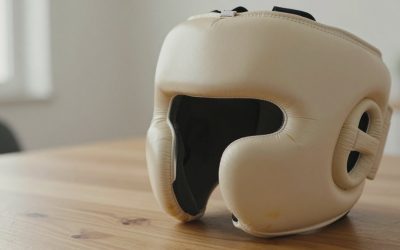
Boxing headgear is sized correctly when it sits level on the head without sliding, covers the temples and cheeks without blocking your peripheral vision, and stays in place when you shake your head hard. Start with a tape measure around the widest part of your head, compare the number to the maker’s size chart, and then confirm with a fit check before you commit to training in it.
The same fit logic applies to the rest of the protective kit, from mouthguards to shin guards and groin protection. A guard that is too loose shifts when it matters, and one that is too tight causes pressure points and distracts you. This guide covers how to measure, how to judge fit in the mirror, how sizing differs across protective items, and how to avoid the common mistakes when buying in 2026. It is general guidance and not a safety guarantee, so ask your coach to check any item you plan to spar in.
Measure Before You Look at Any Size Chart
Size labels such as small, medium and large mean different things between brands, which is why the measurement matters more than the letter. Use a soft tape measure, the kind used for sewing, rather than a metal one.
Wrap the tape around your head about a finger-width above your eyebrows and ears, passing over the widest point at the back of the skull. Keep the tape level and snug but not tight, then note the number in inches or centimeters. Measure twice. If your reading falls between two sizes, you will want to read the manufacturer’s note about whether to size up or down, since padding thickness and strap design change the answer.
Also note the shape of your face and head. Some headgear designs are open-faced, others have cheek protection that wraps closer to the jaw, and some include a bar across the face. Wide or narrow faces can fit one cut better than another, so measurement alone does not settle the choice.
Fit Checks That Tell You More Than a Label
Once the headgear arrives, run these tests at home, with the straps adjusted but before any training.
The Shake and Nod Test
Fasten the straps and shake your head side to side, then nod up and down. The headgear should move with your head rather than slide over it. If it rotates or shifts noticeably, it is too big or the straps are not adjusted correctly. Retighten the rear and chin straps and test again.
The Vision Check
Look straight ahead, then to each side, then down at your gloves. You should see a full field without a pad edge cutting off the upper or lower view. Headgear that blocks the sides makes it hard to see punches coming, which defeats the purpose of wearing it.
The Pressure Check
Wear the headgear for ten minutes while doing shadowboxing. Notice any pressure on the forehead, cheekbones or the back of the head. A little firmness is normal; a headache, ear pinch or numbness is a sign to adjust or resize.
The Placement Check
The top pad should sit over the crown of the head and the forehead without covering the eyebrows. The cheek pads should cover the cheekbones and sit alongside the ears, not on top of them. The chin strap should be snug and flat against the skin.
Sizing Other Protective Gear
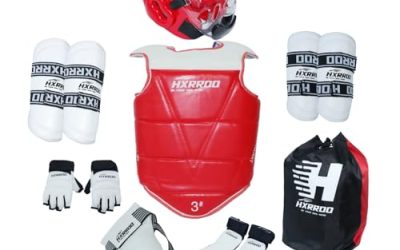
Headgear is only one item in a sparring kit. Each piece has its own sizing logic, and the table below summarizes what to check.
| Gear | What to measure or check | Sign of poor fit |
|---|---|---|
| Headgear | Head circumference, face shape, strap range | Slides, blocks vision, pinches ears |
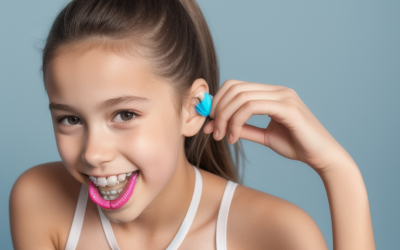
| Mouthguard | Follows the maker’s fitting method for the teeth and gums | Loose, hard to breathe, gagging |
| Groin protection | Waist size and cup or belt coverage | Shifts during movement, rubs the thighs |
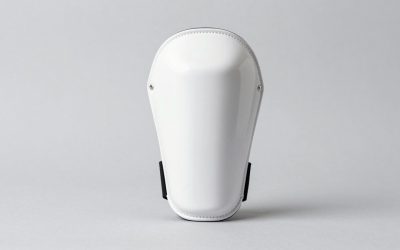
| Shin guards | Shin length, calf width, instep coverage | Rotate on the leg, slip over the ankle |
| Chest guard | Torso length and chest width | Rides up, restricts breathing |
| Gloves | Hand size and wrap thickness | Cramped fingers, loose wrist |
For mouthguards in particular, a dentist can provide a custom fit if you have braces, gaps or other dental concerns, and any dental protection question should go to a dental professional rather than guesswork.
Common Sizing Errors
The most frequent mistake is buying a larger size to grow into, which leaves the headgear loose and unsafe. Close behind is buying based on a friend’s size, since head shapes and brand cuts differ. Another is ignoring padding wear: a pair that fit well in the first month can loosen as foam compresses, and training with a pair that now shifts is a false economy.
Also avoid relying on a single measurement for kids and teens who are still growing. Re-measure at the start of each season and replace gear that no longer fits rather than stretching straps to the limit.
Open-Face, Cheek and Full-Face Styles
Headgear comes in three broad cuts, and style affects how you size it. Open-face designs leave the cheeks and chin exposed, which maximizes vision and airflow and is common in amateur sparring. Cheek-protector designs add padding along the cheekbones and jaw, giving more coverage with a small cost in side vision. Full-face designs add a bar or panel in front of the nose and mouth, which protects more but can distort the view of incoming punches.
Because the cuts differ, two items with the same listed size can fit very differently. A wide-set cheek pad may feel tight on a narrow face, while an open-face design may ride high on a round one. If the listing shows a fit range or adjustable back closure, that flexibility can help, but it does not replace the shake test.
Adjustment straps deserve a check as well. Look for a rear closure that spreads pressure evenly, a chin strap that does not press on the throat, and a top strap that keeps the headgear from tipping forward. Run through each strap with the gear on, and make sure you can still open your mouth fully with a mouthguard in, because a tight chin strap can interfere with breathing during hard rounds.
When to Ask a Coach
A coach or gym staff member sees dozens of heads and can tell at a glance whether headgear sits correctly. Bring your gear to the first sparring session and ask for a quick fit check. Many gyms also set their own rules about what headgear and guards are allowed in sparring, so confirm those before you buy.
Before You Buy Checklist
- Measure head circumference with a soft tape, twice, and write the number down.
- Read the maker’s size chart, including notes about sizing between categories.
- Check your gym’s rules on headgear style and guard requirements.
- Plan a shake, nod and vision check as soon as the item arrives.
- Keep the return policy in mind and avoid wearing the item outdoors until you are sure it fits.
Related guides
- 16 Oz Boxing Gloves For Heavy Bag Training
- Combat Sports Terms Every Beginner Should Know
- Sports Bras For Boxing And Kickboxing
Frequently Asked Questions
Should headgear feel tight?
It should feel snug and secure, not painful. If it leaves deep marks, causes a headache or restricts blood flow, it is too tight. If it moves when you shake your head, it is too loose.
Can I use one size for adults and teenagers?
Not reliably. Teen heads vary a lot in size and shape, and some youth models are made specifically for smaller heads. Measure the individual rather than assuming an age-based size.
How often should I replace headgear?
Replace it when the padding flattens, the straps stretch, the stitching tears or the fit changes. Frequent training wears it faster, so check it regularly instead of waiting for a fixed date.
Does headgear prevent concussions?
No protective item can guarantee that. It may reduce cuts and surface impact, but head injuries can still occur, so follow your coach’s sparring rules and seek medical advice after any significant head impact.
More from Amazon
Programs that pair well with the guide above. Offers and eligibility are set by Amazon and may change.
Free shipping on eligible items, Prime Video and more. Eligible new members can start with a free trial.
Start a Prime free trialAudiobooks and podcasts to listen to on the go. Eligible new members can start with a free trial.
Try Audible freeAd-free music streaming. Eligible new subscribers can start with a free trial.
Try Music Unlimited freeA free business account with business pricing and bulk-buying tools for work, shop or home office.
Create a business accountAs an Amazon Associate we earn from qualifying purchases.



Write Your Review
No reviews yet. Be the first to share your experience!