

Key takeaways
- A home boxing gym on a budget starts with four pieces: hand wraps and gloves, a heavy bag with a safe way to hang or stand it, a jump rope.
A home boxing gym on a budget starts with four pieces: hand wraps and gloves, a heavy bag with a safe way to hang or stand it, a jump rope, and a floor surface that protects your joints. Add a timer, a mirror and a small shelf for storage, and you have a complete training setup that fits in a garage corner, a spare room or a covered patio.
The trick is buying in the right order. Beginners often spend first on the most exciting item, usually the bag, and then discover the ceiling cannot hold it or the floor is too hard for footwork. This guide walks through a priority order, where space and structure matter more than gear, what to buy used, and how to avoid the mistakes that make home setups collect dust by spring 2026.
Step One: Pick the Space Before the Gear
Measure the area first. A workable boxing corner needs room to move in a circle around a bag, which generally means a clear footprint several feet wider than the bag in every direction. You also need ceiling height above the swing path of your punches, and enough distance from walls so you do not clip a knuckle on drywall.
Check what the space is made of. Concrete garage floors are tough on the joints during footwork, bare wood can be slippery, and carpet can catch the feet when you pivot. Whichever surface you have, plan for a covering that grips without grabbing. Also consider noise: a bag thumping in an apartment can annoy neighbors, so a freestanding setup on a mat is often the safer social choice.
Step Two: Buy the Core Four First
These four items account for most of the benefit and most of the safety, so protect this part of the plan from budget cuts.
Hand Wraps and Gloves
Wraps protect the small bones in the hand and the wrist, and they are inexpensive compared with almost everything else. Choose a length that gives full coverage for your hand size, and buy two pairs so one can dry while the other is in use. Gloves for bag work should be sized to your hand and training weight; a coach or gym staff member can help you check fit if you are unsure.
A Heavy Bag and Its Mounting
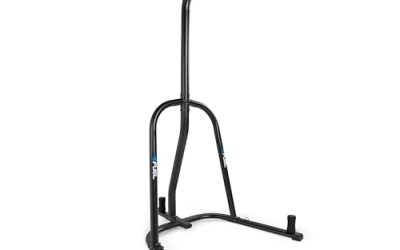
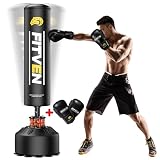
You have three realistic options: a hanging bag on a ceiling or wall mount, a hanging bag on a freestanding stand, or a freestanding water- or sand-based bag. Wall and ceiling mounts require solid structural support such as a joist or a rated beam, and if you are not sure what your building can carry, have a professional inspect it before you hang anything. Freestanding options cost more but remove that risk and move easily between rooms.
A Jump Rope
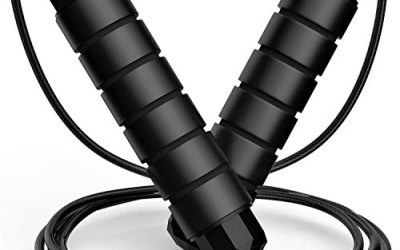
A simple rope builds footwork, rhythm and conditioning, and it requires almost no space. Pick a length that matches your height, so the handles reach roughly the armpits when you stand on the center of the rope.
Floor Protection
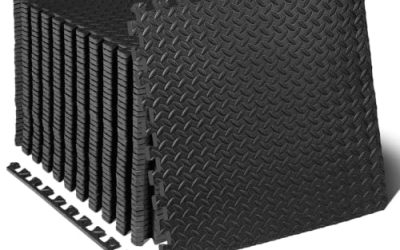
Interlocking foam tiles or a rubber mat reduce joint stress and keep your feet planted. Check thickness and grip, and skip anything that slides under the feet or bunches up when you pivot.
Step Three: Add Training Aids by Priority
After the core four, add items in the order you will actually use them. The table compares common extras by the problem they solve and when they make sense.
| Item | Problem it solves | Priority |
|---|---|---|
| Interval timer or phone app | Keeps rounds and rest consistent | High, often free |
| Wall mirror or reflective panel | Lets you check stance and guard | Medium |
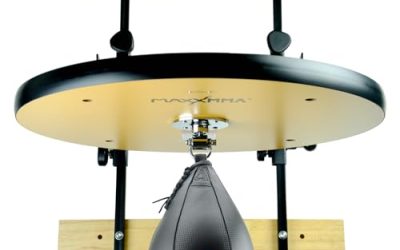
| Speed bag platform | Rhythm and shoulder endurance | Medium, needs a solid mount |
| Focus mitts | Pad drills with a partner | Medium, only if a partner is available |
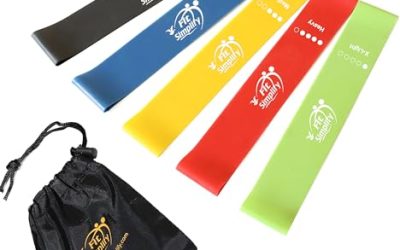
| Resistance bands | Warm-up and shoulder care | Low to medium |
| Double-end bag | Timing and accuracy | Low, add later |
Where to Save and Where Not To
Save money on items that do not touch your body or structure: stands, timers, mirrors, storage racks and mats can often be found secondhand or in basic versions. Floor tiles can be bought a few at a time. A phone app can replace a dedicated timer.
Spend more carefully on anything that affects hands, joints or building safety. That means wraps, gloves, the mounting hardware for a hanging bag, and any item that bears your body weight. Used gloves are a gamble because foam compresses over time and hygiene is a concern, so many buyers prefer to buy those new and save elsewhere.
Also be skeptical of all-in-one bundles. They look economical, but some include items you will not use or lower-quality pieces that need replacing quickly. Compare each item against your own priority list before accepting a package.
Build a Weekly Routine That Fits the Gear
A home gym only pays off if you use it. Start with three short sessions each week and keep the structure simple: a warm-up with rope and shadowboxing, several timed bag rounds, and a short conditioning finish. Use free instructional videos or an online class for technique, and consider an occasional in-person session at a gym to get feedback on form, because bad habits are harder to notice when training alone.
Keep the setup visible and ready. A bag in a closet or gloves buried in a drawer adds friction, and friction ends routines quickly. Leave the rope, wraps and timer where you can see them.
Sample Budget Tiers
Rather than quoting prices, think in tiers. A minimal tier covers wraps, a rope, a timer app and floor space for shadowboxing, which suits anyone testing the habit. A mid-range tier adds gloves, a freestanding or hanging bag, and a basic mat, enough for real bag rounds several times a week. A fuller tier adds a speed bag, mirror, mitts and better flooring once the routine is established.
Moving from one tier to the next should be earned by consistency. A common rule of thumb is to train for several weeks at the current tier before spending more, which avoids buying equipment that sits unused. Secondhand marketplaces are useful for stands, mats and racks, and a new item is usually worth the extra cost when it touches your hands or mouth.
Keep a short notes file with each purchase and why you bought it. When you review it after a couple of months, you will see which pieces earned their space and which were impulse buys, and that record makes later upgrades far more deliberate.
Before You Buy Checklist
- Measure floor area, ceiling height and distance from walls before choosing a bag.
- Confirm that any ceiling or wall mount attaches to rated structure, and ask a professional if unsure.
- Buy wraps and gloves that fit your hand rather than the cheapest option.
- Set a total budget cap and allocate it to the core four before any extras.
- Plan for noise, storage and ventilation so the space remains pleasant to use.
Related guides
- 16 Oz Boxing Gloves For Heavy Bag Training
- Combat Sports Terms Every Beginner Should Know
- Sports Bras For Boxing And Kickboxing
Frequently Asked Questions
What is the cheapest way to start boxing at home?
Hand wraps, a jump rope, a timer app and floor space for shadowboxing cost very little and teach most of the fundamentals. Add gloves and a bag when you are confident you will keep training.
Is a freestanding bag as good as a hanging bag?
Freestanding bags are more convenient and safer for renters or anyone without a solid mounting point. Hanging bags usually feel more natural to hit and swing more, so many people choose based on their structure and noise tolerance.
Can I learn boxing properly without a coach?
You can build conditioning and basic movement, but a coach spots flaws in stance, balance and wrist alignment that are hard to see yourself. Occasional lessons or video review can bridge much of that gap.
How much space do I actually need?
Plan for a clear circle around the bag that lets you step and pivot freely, plus a little extra for your swing. If you can only manage shadowboxing and rope work, that is still a valid starting point.
More from Amazon
Programs that pair well with the guide above. Offers and eligibility are set by Amazon and may change.
Free shipping on eligible items, Prime Video and more. Eligible new members can start with a free trial.
Start a Prime free trialAudiobooks and podcasts to listen to on the go. Eligible new members can start with a free trial.
Try Audible freeAd-free music streaming. Eligible new subscribers can start with a free trial.
Try Music Unlimited freeA free business account with business pricing and bulk-buying tools for work, shop or home office.
Create a business accountAs an Amazon Associate we earn from qualifying purchases.
Write Your Review
No reviews yet. Be the first to share your experience!