

Key takeaways
- A beginner sparring gear checklist has seven essentials: hand wraps, sparring gloves, a fitted mouthguard, headgear, groin protection.
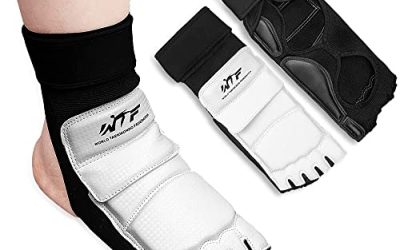
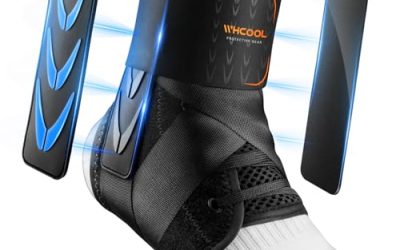
A beginner sparring gear checklist has seven essentials: hand wraps, sparring gloves, a fitted mouthguard, headgear, groin protection, shin guards (for kicking classes) and a gym bag that lets everything dry. Buy those first, in that order of priority, and add extras such as ankle supports or a chest guard only if your coach asks for them.
Most gyms will not let a newcomer spar until they have the basics, and those basics are inexpensive compared with a lost tooth or a bruised shin. This guide explains what each item does, what to check when buying, which items matter most if your budget is tight, and how to carry and care for everything. Rules vary by gym and discipline, so treat this list as a starting point and confirm requirements before you spend anything in 2026.
The Core Seven Items
Each piece protects a different part of the body, and each has its own fit and use rules. Start with these.
Hand Wraps
Wraps support the wrist and the small bones in the hand and absorb sweat that would otherwise soak the glove lining. Buy at least two pairs so one can dry between sessions. Choose a length that fully covers the hand and wrist for your size, and learn a wrapping pattern from your coach.
Sparring Gloves
Sparring gloves are usually heavier and softer than bag gloves, to cushion your partner. Weight recommendations depend on body size and the gym’s rules, so ask before you buy. They should close snugly over wraps with no wrist wobble, and your fingers should not feel cramped.
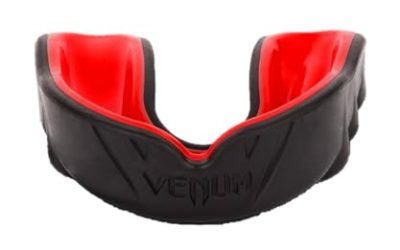
Mouthguard
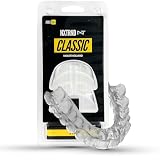
A mouthguard protects the teeth and may soften some impacts to the jaw. Many beginners choose a boil-and-bite style that molds to the teeth; a dentist can supply a custom guard, which is worth considering if you wear braces or have dental work. No mouthguard guarantees protection from injury.
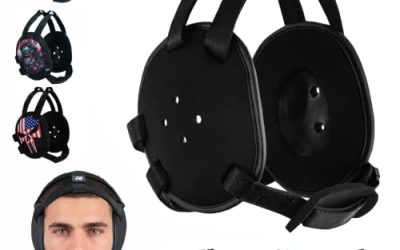
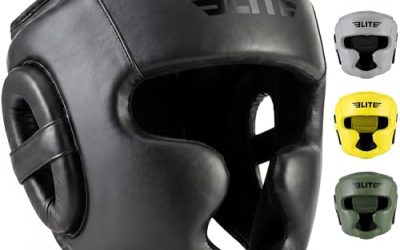
Headgear
Headgear reduces cuts and surface bruising, though it does not prevent concussion. It should sit level, stay put when you shake your head and leave your field of vision clear. Some gyms require it for every sparring round, while others make it optional in light drills.
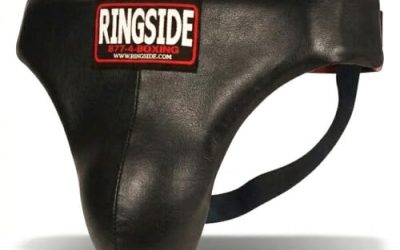
Groin Protection
This is non-negotiable in most gyms. Choose a cup or guard sized to your waist and comfort, and wear it correctly under your shorts. Fit matters more than appearance, and an item that shifts during movement is not doing its job.
Shin Guards
For kickboxing, Muay Thai and MMA classes, shin guards protect both you and your partner when kicks land. Look for coverage over the shin and the instep, with straps that keep the guard from rotating. Boxing-only classes typically do not need them.
A Gym Bag That Breathes
A ventilated bag with a separate section for damp items helps gear dry between sessions. Wet gloves sealed in a closed compartment get smelly quickly and the lining breaks down faster.
Priority Order If the Budget Is Tight
You do not have to buy everything on day one. Use the table below to decide what comes first and what can wait or be borrowed.
| Item | Priority | Can it be borrowed? | Notes |
|---|---|---|---|
| Hand wraps | Essential | No | Hygiene and fit make personal pairs better |
| Mouthguard | Essential | No | Always personal |
| Groin protection | Essential | No | Always personal |
| Sparring gloves | Essential before sparring | Sometimes, from the gym | Check weight rules |
| Headgear | High | Sometimes | Fit check recommended |
| Shin guards | High for kicking classes | Sometimes | Skip for boxing-only |
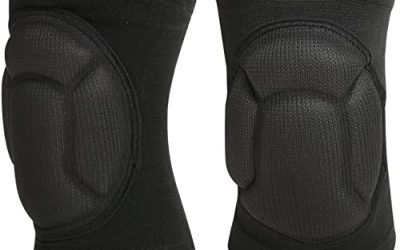
| Ankle or knee supports | Low | No | Only if advised for a prior issue |
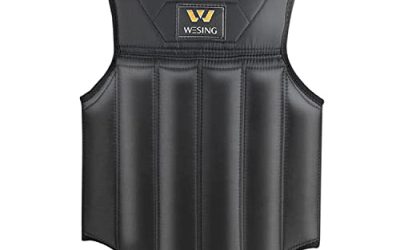
| Chest guard | Low | Sometimes | Used in some programs |
If you must stage the purchase, the personal-hygiene items come first, since they cannot reasonably be shared. Gloves and headgear can often be borrowed for early sessions while you decide what you like, but check the gym’s loaner policy.
What to Check Before You Buy
A few criteria apply to every item. Check that the size range matches your measurements, because oversized gear moves and undersized gear pinches. Look at how an item closes: strap, lace or hook-and-loop, and whether it works on your own. Consider how easy it will be to clean, since gear that cannot be wiped down tends to hold odor and bacteria.
Ask what your gym requires. Some gyms prefer a specific glove weight or ban certain headgear styles, and a quick message to the coach can prevent a wasted purchase. If you have braces, joint issues or other health concerns, consult an appropriate professional before choosing protective gear.
Fit Checks for the Whole Kit
Once everything arrives, try the full kit on at home before class. Put on wraps and gloves, fasten the wrist closure and make a fist; your fingers should close without cramping and the wrist should feel supported. Add the headgear, shake your head and check that it stays put and does not block your side vision. Slide in the mouthguard and confirm you can breathe and speak clearly enough to say “stop” if you need to.
Next, put on the groin protection and shin guards and move through a few steps and slow kicks. Nothing should rotate, pinch or ride up. If the shin guards slip toward the ankle or the cup shifts, adjust the straps or consider a different size. Walk, squat and pivot to make sure the straps do not dig in.
Finally, time how long it takes to put everything on without help. Showing up early and gearing up calmly beats scrambling at the start of a round. If any item feels wrong, bring it to the coach, who can often spot a fit issue within seconds.
Keep a small repair and spare kit in your bag: an extra pair of wraps, a spare mouthguard case, a few strips of athletic tape and a clean towel. Those small items save sessions when a strap fails or something goes missing, and they cost very little compared with the main pieces.
Care and Carry Habits
Open every item after training and let it air out. Wipe gloves, headgear and guards with a dry or lightly damp cloth, and wash wraps and clothing after each session. Rinse the mouthguard in cool water and store it in a ventilated case, never in a closed bag with sweaty gear.
Check gear regularly. Stitching that loosens, padding that flattens and straps that stretch are signs that protection is fading, and worn items should be replaced rather than patched.
Mistakes to Avoid
Do not buy the cheapest option in every category without reading what it covers; thin foam and weak stitching wear out quickly. Do not buy children’s gear sized up to grow into, because loose protection slides out of position. Do not assume gear from another sport is a substitute, since a cycling helmet or a soccer shin pad is built for different impacts. And do not skip the fit check: gear that looks right but moves during a round is only a decoration.
Before You Buy Checklist
- Ask your coach which items are mandatory for sparring in your class.
- Measure your hand, head, waist and shin length before checking size charts.
- Prioritize personal-hygiene items first: wraps, mouthguard, groin protection.
- Test fit with wraps on and straps adjusted before the first sparring round.
- Plan a ventilated bag and a drying routine at home.
Related guides
- 16 Oz Boxing Gloves For Heavy Bag Training
- Combat Sports Terms Every Beginner Should Know
- Sports Bras For Boxing And Kickboxing
Frequently Asked Questions
Do I need all of this before my first class?
No. Most gyms let you train bag and pad work in basic clothes with wraps and gloves, and sparring gear is required only when you start sparring. Ask your coach about timing.
Can I share gear with a friend?
Avoid sharing mouthguards, wraps and groin protection for hygiene reasons. Gloves and shin guards are sometimes shared, but fit and sanitation are issues, so personal pairs are better.
How often should I replace sparring gear?
Replace items when padding flattens, seams split or straps stop holding. Frequent training wears gear faster, so inspect it regularly instead of relying on a calendar.
Does more gear mean more safety?
Not necessarily. Properly fitted essentials and well-supervised sparring matter more than piling on extras, and no gear removes risk entirely.
More from Amazon
Programs that pair well with the guide above. Offers and eligibility are set by Amazon and may change.
Free shipping on eligible items, Prime Video and more. Eligible new members can start with a free trial.
Start a Prime free trialAudiobooks and podcasts to listen to on the go. Eligible new members can start with a free trial.
Try Audible freeAd-free music streaming. Eligible new subscribers can start with a free trial.
Try Music Unlimited freeA free business account with business pricing and bulk-buying tools for work, shop or home office.
Create a business accountAs an Amazon Associate we earn from qualifying purchases.
Write Your Review
No reviews yet. Be the first to share your experience!