

Key takeaways
- Budget below $150, low frequency and no fixed drain: choose a pressure reservoir or basic pump shower. Prioritise a shut-off trigger, a replaceable hose and a container that is easy to empty.
- Frequent vehicle, dog or equipment washing: choose a rechargeable or 12V pump with a 10–20 litre container. Select a low-flow spray head and a long enough hose to reach both sides of a car or trailer.
- Cold-weather use without plumbing: choose a portable heated system or a pump that can safely draw preheated water. Confirm the battery runtime and whether the heater can maintain a stable temperature at the advertised flow.
- Several users every week: choose a permanent mixer column and budget for a proper base, drainage and hose bib or plumbing isolation valves.
- Freezing winters: choose a removable unit unless the permanent system has a drain-down procedure. The least expensive frost protection is often disconnecting, emptying and storing the shower indoors.
The best outdoor shower kits depend on one practical choice: use a portable pressurised or pump-fed shower when you need easy setup and winter storage, or install a permanent wall- or post-mounted kit when the shower will be used frequently and a reliable drain is available.
Our top picks
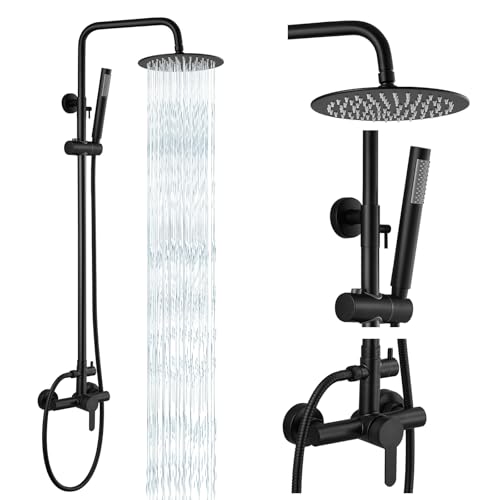

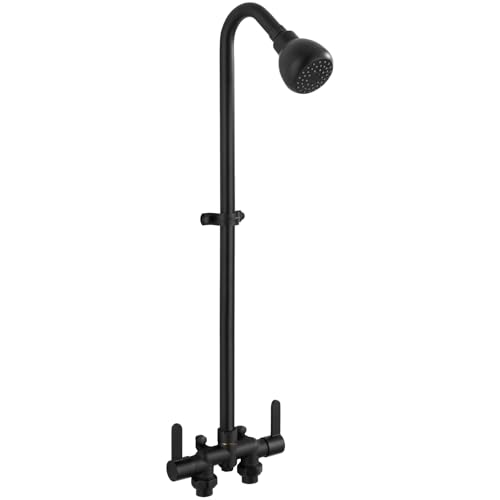

As an Amazon Associate we earn from qualifying purchases at no extra cost to you. Ratings are shown as listed on Amazon.
Best outdoor shower kits by situation
| Situation | Best kit type | Water connection | Heating method | Typical cost range |
|---|---|---|---|---|
| Camping, beaches, tournaments and occasional rinsing | Portable pressure or pump shower | Filled reservoir, bucket or jerry can | Sun-warmed water or none | $50–$180 |
| Vehicle-based washing and dog cleanup | Portable heated shower | Reservoir, 12V pump or rechargeable battery | Electric heater or separate heated water | $250–$650 |
| Regular use beside a house, pool or sauna | Permanent mixer or solar shower | Garden hose or plumbed hot and cold lines | Household hot water or solar tank | $150–$1,000+ |
| Cold climate with freezing winters | Removable portable kit or seasonal post kit | Hose connection or refillable tank | Sun-warmed water or indoor hot-water supply | $80–$700 |
Portable versus permanent outdoor showers
Portable kits: simplest ownership
A portable kit avoids most plumbing and drainage work. You fill a reservoir, bucket or compatible container, place the pump or shower head inside, and empty the water away from structures after use. This is usually the best route for renters, campers, athletes who need a rinse after training, and homeowners who use an outdoor shower fewer than several times per week.
Portable pressure showers, such as the NEMO Helio, use a manually pressurised reservoir rather than a mains water connection. They are quiet, compact and independent of electricity, but pressure falls as the container empties. Battery or 12V pump systems provide a steadier spray and can draw from a larger container. Geyser Systems’ portable showers add a recirculating wash basin and heated-water system, making them more water-efficient for vehicle or campsite use, but they cost more and require cleaning after each session.
The main limitation is capacity. A 5-gallon container holds about 19 litres, but a comfortable rinse may use 8–15 litres depending on the nozzle and how often the water is turned off. A high-flow household shower can use 9 litres per minute, so a portable kit with a 2–3 litre-per-minute head is much more practical away from a drain.
Permanent kits: better for frequent use
A permanent shower is worthwhile when several people use it weekly, particularly beside a swimming pool, hot tub, changing room or outdoor training area. A fixed unit can connect to a normal garden hose, a cold-water line, or separate hot and cold plumbing with a mixer valve. It is faster to use and usually offers better pressure than a reservoir system.
Permanent options range from a simple solar shower bag or upright tank to a stainless-steel or powder-coated shower column. Solar units store water in a dark tank and can become very hot in strong sunlight. They are inexpensive to run, but temperature control is inconsistent and the water may remain cold on cloudy days. A plumbed mixer gives the most predictable temperature, although installation may require a plumber, frost protection and approved backflow prevention.
Head-to-head comparison of common kit designs
| Design | Typical capacity or flow | Mounting | Power or heat | Best use | Main drawback |
|---|---|---|---|---|---|
| Pressure reservoir | 5–11 litres; roughly 1.5–3 L/min | Ground-standing container | Manual pressure; sun-warmed water | Camping and occasional rinsing | Pressure decreases and capacity is limited |
| Rechargeable or 12V pump | Often 2–6 L/min, depending on pump | Ground-standing container; hose-mounted head | Battery or vehicle power; usually unheated | Dogs, bikes, vehicles and sports gear | Battery charging and pump cleaning |
| Portable heated system | Usually 3–8 litres of heated water per cycle | Portable case or bucket | Rechargeable battery or mains-assisted heater | Cold-weather washing without plumbing | Higher price and more maintenance |
| Solar tank or bag | Approximately 10–25 litres | Wall, post, fence or suspended bag | Solar heating | Poolside use in sunny climates | Weather-dependent temperature |
| Plumbed mixer column | Commonly 6–9 L/min | Deck, wall or concrete slab | Household hot-water system | Frequent, comfortable use | Drainage, frost protection and installation cost |
What to check before buying
1. Water connection
Check whether the kit accepts a standard garden hose, a quick-connect fitting, a removable tank or a 12V pump. A hose-connected shower is convenient, but it normally supplies cold water unless it includes a solar reservoir or a separate heater. A plumbed hot-water model needs two supply lines, shut-off valves and a mixer designed for outdoor conditions.
Do not assume a garden hose is suitable for drinking-water contact. For washing, use a hose and fittings rated for potable water if the water may touch the face or be used near an open wound. A backflow preventer is also sensible where an outdoor hose could be connected to a household supply.
2. Heating method
Solar heating is cheap and silent but unpredictable. Dark tanks heat effectively in direct sun; they do not provide reliable hot water overnight or during cool, cloudy weather. Electric heating offers more control, but a heater must be rated for the system’s flow and power source. Never improvise a mains-powered heater near a wet shower area: use a qualified electrician and appropriate residual-current protection.
For a portable system, heating water indoors or in a suitable kettle and mixing it with cold water is often simpler than carrying a high-power heater. Use a thermometer or carefully test the water before showering. Outdoor shower temperature can change quickly as a tank empties.
3. Mounting and stability
A lightweight handheld head only needs a hook or small stand. A fixed shower column needs a rigid wall, post or slab. A 2-metre shower post exposed to wind can exert much more leverage than its weight suggests, so burying a post in concrete or fixing it to a structural base is safer than relying on thin decking boards.
For a temporary setup, a weighted base, tripod or vehicle-mounted bracket is preferable to hanging a full water container from a weak fence. Water weighs approximately 1 kilogram per litre: a 20-litre solar tank adds about 20 kilograms before the hardware is included.
4. Drainage
Drainage is the feature that separates a convenient permanent shower from a muddy maintenance problem. A low-use cold rinse may drain onto a gravel bed if local rules allow it and the site is well away from foundations, wells and waterways. Soap, shampoo and sunscreen should not be allowed to run directly into a pond, storm drain or vegetable bed.
For regular use, install a sloped, non-slip surface leading to an approved drain or a contained soakaway. A typical 5-minute shower at 6 L/min produces about 30 litres of wastewater. A family using the shower four times per day would therefore send roughly 120 litres into the drainage system, enough to saturate a small patch of soil quickly.
Decision matrix: which kit fits your routine?
- Budget below $150, low frequency and no fixed drain: choose a pressure reservoir or basic pump shower. Prioritise a shut-off trigger, a replaceable hose and a container that is easy to empty.
- Frequent vehicle, dog or equipment washing: choose a rechargeable or 12V pump with a 10–20 litre container. Select a low-flow spray head and a long enough hose to reach both sides of a car or trailer.
- Cold-weather use without plumbing: choose a portable heated system or a pump that can safely draw preheated water. Confirm the battery runtime and whether the heater can maintain a stable temperature at the advertised flow.
- Several users every week: choose a permanent mixer column and budget for a proper base, drainage and hose bib or plumbing isolation valves.
- Freezing winters: choose a removable unit unless the permanent system has a drain-down procedure. The least expensive frost protection is often disconnecting, emptying and storing the shower indoors.
Setup, cleaning and winter storage
- Flush the hose and pump. Run clean water through the system before first use and after using water that contained soap, sediment or algae.
- Dry every container. Empty tanks completely, leave caps open and allow hoses to drain. Warm, sealed containers encourage odour and biofilm.
- Clean the spray head. Remove mineral scale with the cleaner recommended by the manufacturer. Do not use aggressive chemicals on rubber seals or drinking-water-rated components unless the instructions permit them.
- Inspect consumables. O-rings, hose washers, pump filters, trigger valves and battery packs usually need attention before the main body fails. Keep spare washers and a compatible filter available.
- Winterise permanently installed units. Shut off the supply, open the drain points, disconnect the hose and remove trapped water from the mixer and shower arm. Insulation alone does not prevent freezing.
- Store batteries correctly. Charge rechargeable packs according to their instructions, keep them dry, and store them away from extreme heat. Do not leave a battery-powered pump connected to a damp container for months.
Common buying mistakes
The most common mistake is choosing a kit by maximum spray pressure rather than water consumption. A forceful 8 L/min head can empty a portable container in minutes. Another is buying a solar shower for a shaded yard, where it may never reach a comfortable temperature. Buyers also underestimate drainage: a shower that works beside a campsite can create standing water when installed next to a house.
For most occasional users, a low-flow portable pump or pressure reservoir offers the best balance of cost, portability and winter storage. For a pool, sauna or busy household, spend more on a permanently mounted mixer only after confirming the water supply, structural mounting point and wastewater route. Those three decisions matter more than the style of the shower head.

Write Your Review
No reviews yet. Be the first to share your experience!