

Key takeaways
- Use a soft brush or damp cloth to remove dust; avoid soaking the shoe.
- Air shoes at room temperature and remove the insoles if they retain moisture.
- Do not put them in a dryer or directly against a heater, which can damage adhesives and deform foam.
- Keep a dedicated indoor pair away from outdoor dirt and small stones.
- Rotate two pairs if you play often, allowing foam and materials time to recover between sessions.
The best basketball shoes for most players are the Nike GT Cut 3 for responsive cushioning and grip, the Puma All Pro Nitro for value and balanced performance, and the Adidas Harden Volume 9 for players who prioritize stability and a firm, controlled feel.
There is no single best basketball shoe for every court or playing style. A quick guard may need low-profile traction and court feel, while a heavier forward may value cushioning, a wide base, and a durable outsole. Indoor hardwood and outdoor concrete also demand different compromises, especially because soft rubber can provide excellent grip indoors but wear quickly outside.
Our top picks

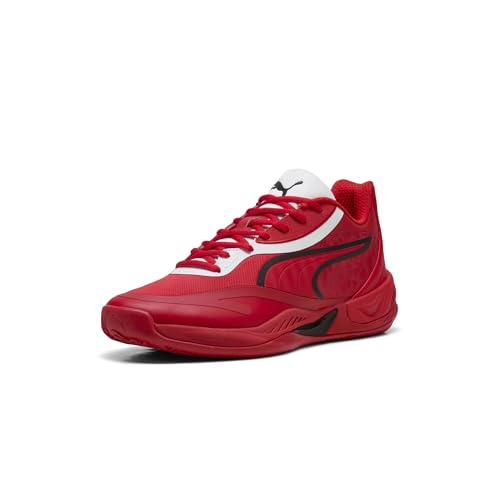
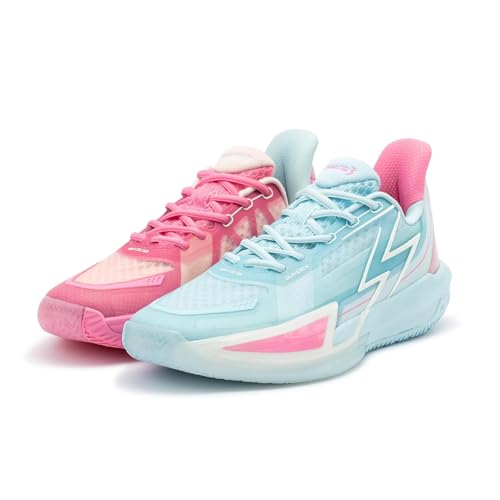

As an Amazon Associate we earn from qualifying purchases at no extra cost to you. Ratings are shown as listed on Amazon.
Best basketball shoes by situation
| Player or situation | Best starting point | Why it fits | Approximate price range |
|---|---|---|---|
| All-around indoor player | Nike GT Cut 3 | Responsive cushioning, reliable traction, and a relatively agile ride | $170–$190 |
| Best value for frequent play | Puma All Pro Nitro | Strong cushioning and grip without a premium price | $110–$150 |
| Power player or larger athlete | Adidas Harden Volume 9 | Stable platform, substantial cushioning, and secure lockdown | $140–$160 |
| Quick guard who wants court feel | Under Armour Curry 12 | Low-to-the-floor response and aggressive indoor traction | $150–$160 |
| Outdoor or mixed-court use | Adidas Dame 9 | More practical rubber coverage and a durable, stable build | $100–$130 |
| Wide-footed player | New Balance TWO WXY line | Usually offers a more accommodating fit, including wide options on selected releases | $120–$150 |
Nike GT Cut 3: best balance of comfort and grip
The GT Cut 3 is the strongest general-purpose choice when comfort, traction, and quick movement all matter. Its full-length ZoomX cushioning gives the shoe a lively, springy sensation rather than a flat or overly firm ride. That helps during repeated sprints and changes of direction, although players who prefer maximum court feedback may find it less direct than a minimalist guard shoe.
Traction is designed for clean indoor courts, where the outsole can produce confident stops and lateral cuts. The upper is lightweight and ventilated, but its streamlined shape may feel snug across the forefoot. Players between sizes should try both rather than automatically sizing up: extra length can cause heel movement, while a narrow fit can create pressure at the little toe.
Puma All Pro Nitro: the value pick
The All Pro Nitro is a particularly sensible choice for players who train several times a week and do not want to spend premium money on every replacement pair. Nitro foam supplies substantial cushioning without making the shoe feel excessively tall, and the outsole pattern is well suited to indoor basketball.
Its fit is generally more forgiving than aggressively tapered guard models, though the exact feel varies by version. The shoe offers enough structure for recreational forwards and wings without becoming cumbersome. On abrasive outdoor courts, the outsole can eventually lose its sharp edges, so it is better treated as an indoor-first shoe if grip longevity is a priority.
Adidas Harden Volume 9: stability for powerful movement
The Harden Volume 9 favors stability over an ultra-light, racing-shoe sensation. A broad base, substantial midsole, and secure upper make it appealing to players who brake hard, absorb contact, or generate force from the hips and feet. The trade-off is a less flexible feel during rapid toe-to-heel transitions.
Ankle support comes primarily from the shoe’s base, heel containment, and overall lockdown rather than from a tall collar. That is important: a high collar does not automatically prevent an ankle injury. Fit, traction, strength, movement technique, and the playing surface all influence how secure a shoe feels. Players with previous injuries or persistent pain should seek advice from a qualified clinician rather than relying on footwear alone.
Under Armour Curry 12: best for low-profile court feel
The Curry 12 suits guards and perimeter players who want fast feedback from the floor. Its low-profile construction and responsive cushioning make pivots, jab steps, and lateral changes feel immediate. On a clean indoor court, the traction can be excellent.
This type of shoe has two limitations. First, the secure, close-fitting upper may not suit wide feet. Second, a lower ride with less bulky cushioning may feel tiring to players who play long sessions or prefer a softer landing. It is an indoor specialist rather than the safest one-pair solution for frequent outdoor use.
Adidas Dame 9: a practical mixed-court option
The Dame 9 is worth considering when one pair must handle occasional outdoor sessions as well as indoor games. It emphasizes cushioning, stability, and a robust construction rather than the lightest possible weight. Its outsole is still a wear item, but a durable rubber setup is generally more sensible for concrete than a soft translucent indoor compound.
Outdoor basketball quickly exposes weak points: tread edges round off, dust becomes embedded in grooves, and the forefoot can separate from repeated toe dragging. A mixed-court shoe will not make an outdoor outsole last indefinitely, but it can delay that deterioration compared with a dedicated indoor model.
What to compare before buying
Traction
Look at rubber coverage, groove depth, and the intended surface. A tightly patterned, softer compound often grips polished hardwood well, while a harder rubber compound with deeper channels is more appropriate for asphalt. Dusty courts require a tread that releases debris; wiping the outsole during breaks can restore grip temporarily, but it cannot reverse worn rubber.
Cushioning
Foam-based midsoles usually offer the best balance of weight, durability, and impact protection. Softer cushioning can feel comfortable immediately but may reduce court feedback. Responsive cushioning feels quicker and more controlled, though it may not satisfy players who want a plush landing. More foam also does not automatically mean better performance: excessive height can make a shoe feel less stable.
Ankle support and lockdown
Prioritize heel hold, midfoot security, and a stable outsole over collar height. Lace systems that allow separate tightening around the ankle can improve fit. Walk, jog, and make a few lateral movements in both shoes before buying. Your heel should remain seated without requiring the laces to be painfully tight.
Fit and breathability
Measure feet at the end of the day, when they are often slightly larger. Wear basketball socks and leave roughly 8–12 millimeters between the longest toe and the front of the shoe. Your toes should spread naturally, while the midfoot should not slide during a hard plant. Mesh or woven uppers usually ventilate better, but thin materials may provide less abrasion resistance around the toe box.
Indoor versus outdoor performance
| Factor | Indoor hardwood | Outdoor concrete or asphalt |
|---|---|---|
| Preferred outsole | Soft or moderately soft rubber with dense traction | Harder rubber with deeper, thicker tread |
| Primary priority | Grip and court feel | Durability and abrasion resistance |
| Typical compromise | Excellent traction may wear quickly outside | Longer life can mean less bite on polished floors |
| Maintenance | Keep the outsole dust-free and use indoors only when possible | Remove grit after sessions and inspect for exposed foam or separation |
How long should basketball shoes last?
For one indoor session per week, a good pair may remain usable for roughly 9–18 months. Players training three or more times weekly may notice traction or cushioning decline in 4–9 months. Outdoor use can shorten that dramatically, sometimes to a few months depending on the surface, body weight, playing style, and frequency.
The outsole usually loses grip first, especially under the ball of the foot and outer heel. Cushioning can also become flatter before the upper looks damaged. Replace the shoes when tread is visibly smooth, the heel slips despite correct lacing, the midsole feels permanently compressed, or the outsole separates. Do not use basketball shoes for running errands on pavement if you want to preserve their court performance.
Care that protects grip and fit
- Use a soft brush or damp cloth to remove dust; avoid soaking the shoe.
- Air shoes at room temperature and remove the insoles if they retain moisture.
- Do not put them in a dryer or directly against a heater, which can damage adhesives and deform foam.
- Keep a dedicated indoor pair away from outdoor dirt and small stones.
- Rotate two pairs if you play often, allowing foam and materials time to recover between sessions.
For most players, start with the Nike GT Cut 3 if indoor grip and energetic cushioning are the priority. Choose the Puma All Pro Nitro when value and balanced comfort matter most, the Harden Volume 9 for a stable power-player feel, the Curry 12 for low-profile guard play, and the Dame 9 when outdoor durability is part of the brief. The best final choice is the shoe that holds your heel, gives your toes room, and matches the court you actually use.



Write Your Review
No reviews yet. Be the first to share your experience!