

Key takeaways
- The best rash guard for BJJ and MMA is a snug, flat-seamed, moisture-wicking top in a compression-style fit.
The best rash guard for BJJ and MMA is a snug, flat-seamed, moisture-wicking top in a compression-style fit, with sleeve length and grip matched to whether you train with a gi or without one. Fit and fabric matter far more than graphics, and you can judge both before you buy by reading the fabric blend, seam description and size chart.
This guide breaks down what to look for in 2026 when shopping for a grappling rash guard, how short and long sleeves behave in real training, how the fabric affects skin protection and odor, and how to care for the shirt so it lasts. It is written for beginners buying a first shirt and for regulars replacing one that has stretched, pilled or started to smell permanently. The advice stays product-neutral on purpose: the same checklist works whether you shop from a specialty grappling brand or a general athletic label, and it keeps you from paying for a logo instead of a fit.
What a Rash Guard Does in Grappling
A rash guard is a close-fitting athletic shirt that sits against the skin. In grappling it does three jobs. It reduces friction burns when your skin drags across a mat, it keeps a gi from chafing and it limits how much sweat and skin contact you share with training partners. Many gyms also require one for no-gi classes, so check the dress code. Beyond protection, a good rash guard manages heat, since the fabric moves sweat away from the skin and keeps you from feeling soaked by the second round.
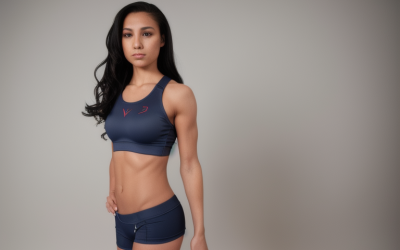
It also affects grip. A shirt that is too loose gives opponents extra fabric to grab, while a snug, slick fit makes it harder to control. For MMA, where you may also strike, a stretchy fabric that moves with the shoulders helps you move freely. Fighters who cut weight also like the fit because it makes it easy to see exactly how the body is changing from week to week.
Choosing the Right Rash Guard
Sleeve length and cut
Long sleeves protect elbows and forearms from mat burn and are the usual choice for BJJ. Short sleeves feel cooler and offer more freedom in the shoulders, which some wrestlers and MMA fighters prefer. If you train in a warm gym, short sleeves may be more comfortable, while cooler rooms favor long sleeves. Mat type matters as well: older, rougher mats chew through elbows quickly, which makes long sleeves an easy decision, while newer, smoother mats are more forgiving. If you share mats with a lot of partners, long sleeves also reduce skin contact, which many people prefer for hygiene reasons.
Fabric blend and feel
Most rash guards use a blend of polyester and spandex or elastane. Polyester wicks moisture and dries quickly, and spandex gives stretch. A higher stretch content moves better but can wear out faster. Look for fabric described as moisture-wicking and quick drying, and avoid heavy cotton blends that hold sweat. Pay attention to how the fabric feels when wet, since some thin blends turn see-through or cling in awkward ways, and others stay light and slick. Reading the care label before purchase also tells you whether the fabric handles regular hot washes.
Seams, hems and gripper bands
Flat or bonded seams lie against the skin and avoid chafing, while raised seams can rub under a gi. A gripper band at the waist keeps the shirt from riding up during scrambles, though some wearers find it tight. Check whether the neckline is stitched flat or has a loose collar that can be grabbed. Crew necklines are common, while mock necks offer a bit more neck coverage but can feel restrictive. The cuffs are another place to look, because a cuff that rolls or flares will catch on a gi sleeve.
Sizing and printed design
Rash guards are meant to be snug, so many wearers size by chest and torso measurements, not by their usual shirt size. Printed or sublimated designs should be part of the fabric rather than a raised patch. Heavy ink or plastic prints can crack and scratch skin after several washes. If the listing shows photos, zoom in on the shoulder and underarm seams, where stress concentrates, and look at how the shirt sits on a real body rather than a flat lay.
Sizing between brands. There is no universal size chart, so a medium from one brand may fit like a large from another. Compare your chest and torso measurements to the chart for that specific shirt. If you are between sizes, most grapplers size down for a true compression feel, while those who want comfort over grip choose the larger size. Reading owner feedback on sizing is worth the time, because it often reveals whether a shirt runs small, runs long in the torso or shrinks after the first wash.
One last factor is skin sensitivity. Some people react to certain dyes or elastic bands, so a first shirt is best washed once before wear. Beginners often wonder how many rounds a shirt can take: a well-made one lasts through many months of regular training, though sweat, friction and frequent washing gradually thin the fabric, and a shirt that has gone sheer at the elbows is ready for retirement.
Gi or No-Gi: Quick Comparison
| Factor | Training with a gi | Training no-gi | MMA training |
|---|---|---|---|
| Sleeve preference | Short or long, often short under the jacket | Long for mat protection | Long or short, based on comfort |
| Fit | Snug but not restrictive | Compression fit | Stretchy, shoulder freedom |
| Seams | Flat, to prevent chafing | Flat, to survive scrambles | Flat, durable |
| Waist | Gripper band optional | Gripper band helpful | Gripper band helpful |
| Care priority | Odor control | Print durability | Stretch retention |
Before You Buy Checklist
- Confirm your gym’s dress code for gi and no-gi classes.
- Pick the sleeve length that matches your climate and mat type.
- Check the fabric blend for moisture-wicking and stretch.
- Look for flat seams and a described neckline.
- Measure your chest and torso against the size chart.
- Plan to own at least two so one can dry between sessions.
Care, Odor and Longevity
Rash guards pick up bacteria and sweat quickly, so wash after every class in cool or warm water with a gentle detergent. Avoid fabric softener, which coats the fibers and traps odor, and skip high-heat dryers that shrink the elastic. Hang dry when possible. Turning the shirt inside out protects printed designs, and washing it separately from rough items such as belts or zippers prevents snags.
Some athletes keep a dedicated bag for used rash guards so they do not sit damp in a gym bag. A mesh bag works well because it lets air circulate, and it keeps the shirt away from other items until you reach the laundry.
If a shirt retains odor after washing, soak it in a mix of water and white vinegar before the next wash. Replace the shirt when it becomes thin, stretches out of shape or starts to pill, since a worn shirt gives less protection. Anyone with sensitive skin or recurring rashes should talk to a dermatologist, since a rash guard is a barrier against friction but not a medical treatment.
Budget is the last piece. Entry-level shirts often work well for beginners, while higher-priced shirts mainly add stitching quality and fabric durability. Start with one reliable shirt, learn how your body and your gym treat it, and upgrade only when you know which features you miss.
Related guides
- 16 Oz Boxing Gloves For Heavy Bag Training
- Combat Sports Terms Every Beginner Should Know
- Resistance Bands For Strength Training
Frequently Asked Questions
Do I need a rash guard for BJJ?
Many gyms require one for no-gi classes, and it helps reduce mat burn and skin contact. For gi classes it is optional but common.
Should a rash guard be tight?
It should be snug against the skin without restricting breathing or shoulder movement. A loose shirt gives opponents more to grab and can bunch up.
Long sleeve or short sleeve?
Long sleeves protect elbows and forearms, while short sleeves are cooler. Many grapplers own both and switch based on the class.
How many rash guards should I own?
Two to three lets you rotate between classes and wash them properly. Having extras prevents wearing a damp shirt, and spreading the wear across several shirts extends the life of each one.
More from Amazon
Programs that pair well with the guide above. Offers and eligibility are set by Amazon and may change.
Free shipping on eligible items, Prime Video and more. Eligible new members can start with a free trial.
Start a Prime free trialAudiobooks and podcasts to listen to on the go. Eligible new members can start with a free trial.
Try Audible freeAd-free music streaming. Eligible new subscribers can start with a free trial.
Try Music Unlimited freeA free business account with business pricing and bulk-buying tools for work, shop or home office.
Create a business accountAs an Amazon Associate we earn from qualifying purchases.
Write Your Review
No reviews yet. Be the first to share your experience!