

Key takeaways
- To wash combat sports apparel without ruining it, turn each piece inside out, rinse sweat out soon after training, wash on a cool.
To wash combat sports apparel without ruining it, turn each piece inside out, rinse sweat out soon after training, wash on a cool, gentle cycle with a small amount of detergent, skip fabric softener and bleach, and air-dry away from direct heat. Items with padding, printing or rubber parts need extra care, and gloves, shin guards and headgear should be cleaned by hand rather than machine washed.
Combat sports clothing takes more punishment than ordinary gym wear: heavy sweat, friction from mat work, stretching during grappling and constant moisture trapped in a bag. A shirt, rash guard or pair of fight shorts can look worn out after a few months if the care routine is wrong. This guide covers what to do after every session, how to machine wash each type of garment, how to treat odor and stains, and what to avoid. Always check the care label first, because the manufacturer’s instructions override general advice.
What to Do Right After Training
Most odor and fabric damage starts in the gym bag, not in the washing machine. Sweat left to sit in a closed bag grows bacteria quickly, and the smell then becomes embedded in the fibers. Take your damp apparel out of the bag as soon as you get home.
If you cannot wash right away, hang each piece open or lay it flat to dry for a few hours. A quick rinse in cool water before hanging helps remove salt and skin oils, which are the main sources of odor. Do not leave a damp rash guard bundled on the floor of a car or locker overnight.
Machine Washing by Garment Type
Different garments need different settings. Use the following subsections as a starting point and adjust to your care labels.
Rash Guards and Compression Wear
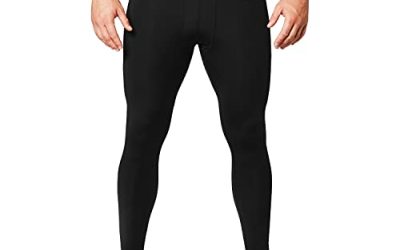
These are typically stretchy synthetic blends with flatlock seams and printed designs. Turn them inside out, wash on a cold or cool gentle cycle, and use a small amount of mild detergent. Avoid fabric softener, because it can coat the fibers and reduce moisture-wicking. Hang to dry. High dryer heat can warp the elastic and crack printed graphics.
Fight Shorts and Training Pants
Satin and polyester shorts with waistbands and drawstrings should be zipped or tied, turned inside out and washed cool. Sublimated designs hold up better when washed inside out and dried flat or hung. If your shorts have Velcro or hooks, close them first so they do not snag other items.
Gi and Uniforms
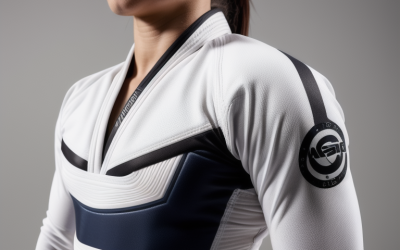
Cotton uniforms used in jiu-jitsu, judo or karate can shrink in hot water or a hot dryer. Many practitioners wash in cold water and hang dry to keep the fit stable, though some prefer a brief low-heat dry. Wash belts separately or by hand, since friction can fray them and dye can bleed.
T-Shirts, Hoodies and Gym Wear
Cotton and cotton blends tolerate more, but screen prints and decals still suffer from heat. Wash inside out on a gentle cycle, and avoid ironing directly over any graphic.
Gear That Should Not Go in the Washing Machine
Padded protective gear is built from foam, leather or synthetic leather, and stitching that does not tolerate a spin cycle. Washing machines can crush padding, strip finishes, warp shapes and trap water inside, which leads to mildew. For gloves, shin guards, headgear and groin protection, wipe the outside with a lightly damp cloth, dry thoroughly in the air, and use a gear-safe disinfecting spray or wipe approved by the maker.
Hand wraps are the exception to the rule: most cotton and blend wraps can be washed in a mesh bag. Secure the Velcro first so it does not snag, wash on a gentle cycle, and air-dry fully before rolling.
Odor and Stain Quick Reference
The table below lists common problems and a cautious first response. Test any treatment on a hidden area before applying it to the whole garment.
| Problem | Likely cause | First response |
|---|---|---|
| Persistent sweat odor | Bacteria and body oils in the fibers | Rinse promptly; soak in cool water with a sport-safe detergent |
| Yellowing under the arms | Sweat and deodorant residue | Pre-treat with detergent before washing |
| Blood spots | Cuts or nosebleeds | Rinse with cold water, never hot, then wash |
| Mat grime and dirt | Floor contact | Shake out, then wash inside out |
| Cracked prints | Heat and rough washing | Switch to cold wash and air-dry |
| Stiff or slick fabric | Detergent or softener buildup | Run a rinse cycle with no detergent |
Hot water sets protein stains, which is why blood should be rinsed in cold water first. If you share mats or equipment with others, wash apparel after every session to reduce the spread of skin infections, and consult a medical professional if you notice rashes or persistent skin problems.
Dealing with Gym Bag Habits
A fresh wash does not help if the bag itself is a damp, closed box. Empty it after every session, unzip every pocket and let it air. Wipe the lining with a cloth and mild cleaner now and then, and consider a separate mesh sleeve for sweaty items so they never touch clean clothes. A dry bag is the easiest odor fix there is.
Drying and Storage
Air-drying is the safest method for nearly all combat apparel. Hang garments on a rack or line indoors or in the shade, since direct sun can fade colors and weaken elastic. If you must use a dryer, choose a low-heat or air-fluff setting and remove items while slightly damp.
Store clean apparel only when it is fully dry. A folded, slightly damp garment can mildew in a drawer within days. Keep a second set so one is always ready while the other dries.
Detergent, Water and Cycle Choices
Technical fabrics respond best to a small amount of liquid detergent. Powder can leave residue in synthetic weaves, and too much of any detergent leaves a film that holds odor. If your water is hard, a rinse cycle at the end helps clear mineral buildup. Sport-specific cleaners exist for odor-prone fabrics, and many buyers use them occasionally rather than every wash.
Cold or cool water protects colors, prints and elastic. Hot water has a role only for sanitizing items that explicitly allow it, such as some cotton towels. Choose a gentle or delicate cycle with a modest spin speed, because a hard spin stretches seams and wears down the waistband elastic.
Load size matters as well. A crowded drum rubs garments against each other, which pills the fabric and scuffs graphics, and an overstuffed load rinses poorly. Leave room for water to move through, and wash your training clothes apart from jeans, towels with loops or anything with a rough zipper.
A practical routine in 2026 looks like this: rinse after class if possible, wash the same day or next morning, hang to dry overnight, and rotate between at least two sets. That rhythm keeps odor from taking hold and extends the life of both garments and prints.
Before You Wash Checklist
- Read the care label and any manufacturer instruction card first.
- Turn garments inside out and close all Velcro, hooks and zippers.
- Use cool water, gentle cycle and a small amount of detergent.
- Skip bleach and fabric softener on technical fabrics.
- Air-dry and store only when fully dry; clean padded gear by hand.
Related guides
- 16 Oz Boxing Gloves For Heavy Bag Training
- Combat Sports Terms Every Beginner Should Know
- Sports Bras For Boxing And Kickboxing
Frequently Asked Questions
How often should I wash my training clothes?
After every session for anything that touches skin, especially if you train with partners. Wraps, rash guards and shorts hold sweat and bacteria, so waiting several days makes odor and wear worse.
Can I wash everything together?
Group similar fabrics and colors, and keep items with Velcro or hooks separate or closed. Mixing heavy cotton with delicate synthetics can cause friction damage.
Why do my clothes still smell after washing?
Detergent buildup, softener or low wash temperature can leave odor-causing residue behind. A rinse-only cycle, a cool soak in a sport-safe cleaner or a reduced amount of detergent often helps.
Is it safe to put gloves in the washing machine?
Generally not. The padding, lining and outer material are not designed for tumbling and soaking, and the result is often a misshapen, moldy pair. Wipe and air-dry instead, and follow any maker instructions.
More from Amazon
Programs that pair well with the guide above. Offers and eligibility are set by Amazon and may change.
Free shipping on eligible items, Prime Video and more. Eligible new members can start with a free trial.
Start a Prime free trialAudiobooks and podcasts to listen to on the go. Eligible new members can start with a free trial.
Try Audible freeAd-free music streaming. Eligible new subscribers can start with a free trial.
Try Music Unlimited freeA free business account with business pricing and bulk-buying tools for work, shop or home office.
Create a business accountAs an Amazon Associate we earn from qualifying purchases.

Write Your Review
No reviews yet. Be the first to share your experience!