

Key takeaways
- Choose a temperature-controlled folding proofer if consistent fermentation is worth the extra cost and storage space. Choose a deep lidded tub for the best low-cost solution for one or two loaves. Choose stackable trays when pizza balls or shaped rolls are the main job. Across…
Best Dough Proofing Boxes for Home Baking
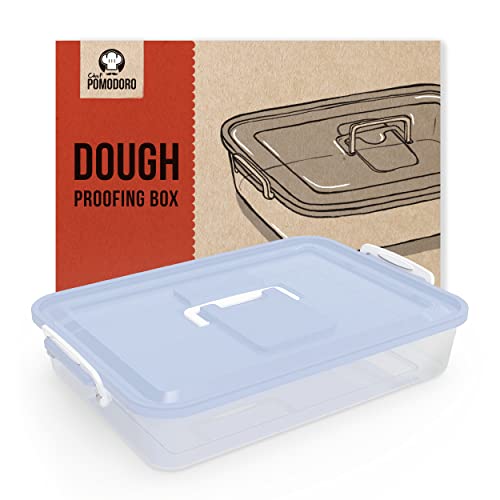
The best dough proofing boxes are a temperature-controlled folding proofer for frequent bakers, a lidded food-storage box for budget-conscious users, and a stackable dough tray for large batches that need consistent size and easy transport.
A proofing box is useful because it controls more than warmth. The box must give dough enough headroom, hold a lid without touching the surface, limit drying, and remain easy to wash after flour, oil, and dough residue build up. The right choice depends mainly on batch size, room temperature, storage space, and how often you bake.
Our top picks


As an Amazon Associate we earn from qualifying purchases at no extra cost to you. Ratings are shown as listed on Amazon.
Quick comparison of the main options
| Proofing-box type | Typical usable size | Temperature control | Typical capacity | Best for | Typical market price |
|---|---|---|---|---|---|
| Temperature-controlled folding proofer | About 38–45 × 30–40 × 8–25 cm | Adjustable heat, usually about 21–38°C | 1–2 medium dough containers or 1 large bowl | Frequent bread and sourdough baking | About $150–$250 |
| Large rectangular dough tub | About 40–60 × 25–40 × 10–20 cm | Room temperature only | 1–3 kg of dough, depending on depth | Pizza dough and bulk fermentation | About $15–$45 |
| Stackable dough tray | About 30–60 × 20–40 × 7–12 cm per tray | Room temperature only | 6–12 dough balls per tray | Pizza batches and multiple shaped rolls | About $30–$100 per set |
| Deep food-storage container with lid | About 20–35 × 15–25 × 10–20 cm | Room temperature only | 500 g–1.5 kg of dough | Occasional home baking and small kitchens | About $8–$30 |
These are useful buying ranges rather than universal specifications. Internal dimensions matter more than advertised external dimensions, especially when a box has thick walls, hinges, or a raised lid.
Best dough proofing box by baking situation
Best for frequent bakers: a temperature-controlled folding proofer
A folding proofer is the most capable option when your kitchen is cold, your schedule changes, or you regularly make enriched dough, sourdough, rolls, and yogurt-like fermentation projects. The Brod & Taylor Folding Proofer is the best-known example of this format. It folds relatively flat for storage and uses gentle adjustable heat rather than relying on the ambient temperature of the room.
The main advantage is repeatability. If your dough normally needs 75 minutes at a warm temperature, a controlled chamber makes that timing more predictable than placing a bowl near a radiator or in an unlit oven. Many models provide a temperature range roughly around 21–38°C, which covers ordinary bread proofing without needing high heat.
Check the internal height before buying. Some folding proofers are broad but shallow. A low tray may suit pizza dough balls, while a tall sourdough bowl or a dough that triples in volume can press against the lid. A removable water tray can also help maintain humidity, but it adds one more part to clean.
Best value for one or two loaves: a lidded rectangular tub
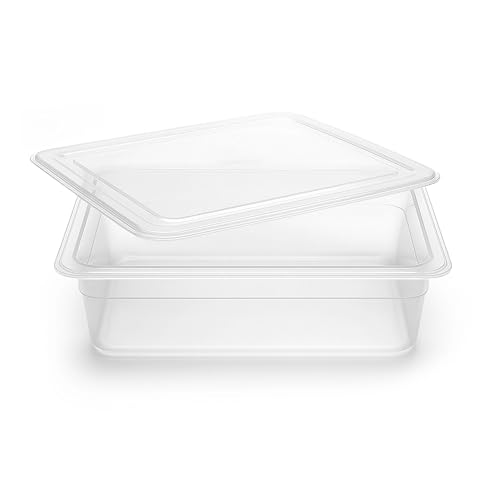
A food-safe rectangular tub is usually the best answer for a baker who wants a covered environment but does not need active temperature control. Choose a box with a smooth interior, rounded corners, and a lid that sits securely without requiring excessive force. Clear polypropylene is practical because you can see the dough rise without opening the container.
For a typical 500–900 g loaf, aim for at least 3–5 litres of internal volume if the dough will bulk ferment in the box. A shallow container is convenient for folding and measuring expansion, but it must leave enough vertical clearance for dough containing sourdough starter or a high proportion of whole-grain flour.
The lid fit is more important than an airtight seal. Dough needs protection from drafts and surface drying, but a completely sealed container can become difficult to open and may collect condensation. A loose-fitting lid, lightly clipped lid, or reusable cover is generally sufficient. If the lid locks tightly, leave expansion space and avoid filling the box near the rim.
Best for pizza batches: stackable dough trays
Stackable trays are designed for portioned dough balls rather than one large mass. They save refrigerator and counter space and make it easier to move a whole batch without disturbing individual portions. A tray around 40 × 30 cm may hold six to eight medium pizza dough balls, depending on spacing and dough weight.
Look for a lid that is rigid enough not to sag onto the dough balls when trays are stacked. A lid that rests directly on the rim is preferable to a flexible sheet that can touch dough as it expands. The tray should also have enough height for the dough balls to relax and spread. Very shallow trays may force dough into the lid, while very deep trays waste refrigerator space.
Stackable trays do not provide warmth, so they are best when your fermentation schedule already works at room temperature or in a refrigerator. For cold-proofed pizza, the important features are a reliable lid, easy stacking, and enough space around each dough ball to remove it without tearing the surface.
Temperature, humidity, and lid fit: what actually matters
Temperature control
Active heating is most useful when the room is consistently below your preferred dough temperature or changes substantially during the day. It is less valuable if you bake once a week in a warm, stable kitchen. A controlled box should use gentle, even heat and have a clear control display or dial. Avoid treating the set temperature as the dough temperature: a probe near the heating element may read differently from the center of the chamber.
Humidity management
Most home dough does not need a misting system. Preventing a dry skin is usually enough. A fitted lid, reusable cover, or lightly oiled surface can do this without creating standing water. If you use a heated proofer with a water tray, add only a small amount and dry the chamber after use. Excess humidity can soften dough surfaces, encourage residue around seams, and make cleaning more difficult.
Lid fit
A good lid should close securely, lift off without jerking the container, and leave expansion room. The most common sizing mistake is choosing a container based on the dough’s starting volume. If a 700 g dough rises from roughly 0.7 litres to 1.5–2 litres, a container with only 1 litre of usable capacity is too small even if the dough fits initially.
Decision matrix: which format fits your kitchen?
| Your situation | Recommended format | Why | Compromise |
|---|---|---|---|
| Budget under $30 and occasional baking | Deep lidded storage container | Low cost, easy to store, no extra equipment | No active temperature control |
| Cold or unpredictable kitchen | Folding temperature-controlled proofer | More consistent fermentation conditions | Higher cost and more parts to clean |
| Four or more pizza dough balls | Stackable dough tray | Efficient spacing and batch handling | Less useful for a single tall loaf |
| Very limited counter and cupboard space | Rectangular tub or folding proofer | Choose either compact daily storage or fold-flat storage | Small tubs may limit batch size |
| Baking several times per week | Controlled proofer or durable commercial-style tub | Better repeatability and longer ownership value | More upfront spending |
Cleaning effort and durability
Smooth polypropylene is usually easier to maintain than textured plastic or fabric-lined chambers. Dough dries in corners, hinge gaps, lid channels, and around temperature probes, so inspect those areas before buying. A box with removable shelves and a removable water tray is easier to clean than one with fixed internal fittings.
Do not use abrasive pads on clear plastic: scratches make the surface harder to inspect and can retain oily residue. Scrape off dried dough with a plastic scraper, wash with warm soapy water, and dry every component fully before storage. Do not immerse an electrical heating base or control unit. If a lid warps in a dishwasher, it may no longer seal properly, so follow the manufacturer’s care instructions.
The first parts likely to wear are flexible lids, silicone seals, clips, and folding hinges. A heating element may last for years with careful storage, but a damaged cable or cracked electrical housing is a replacement issue, not a repair invitation. For non-heated tubs, replacing a warped lid can cost enough that buying a standard-size container with readily available replacements is worthwhile.
A practical sizing calculation
Suppose you make 1,000 g of pizza dough and divide it into eight 125 g balls. Allow roughly 2.5–3 times the dough-ball diameter as the minimum tray length and width for comfortable removal. If each ball spreads to about 10 cm, a tray around 40 × 30 cm can usually provide workable spacing for eight balls in a four-by-two layout. For bulk fermentation instead, choose by volume: a 1,000 g dough batch can occupy about 1 litre at the start and approach 2–3 litres after expansion, so a 4-litre tub gives useful headroom.
When in doubt, buy for the expanded dough, not the freshly mixed dough. That single decision prevents most lid contact, overflow, and difficult cleanup problems.
Final verdict
Choose a temperature-controlled folding proofer if consistent fermentation is worth the extra cost and storage space. Choose a deep lidded tub for the best low-cost solution for one or two loaves. Choose stackable trays when pizza balls or shaped rolls are the main job. Across all three formats, prioritize internal dimensions, a lid that stays above rising dough, smooth washable surfaces, and a humidity strategy that prevents drying without creating condensation.




Write Your Review
No reviews yet. Be the first to share your experience!