

Key takeaways
- Insulation. Synthetic fills such as PrimaLoft and Thermacore keep warmth when damp. Fleece and wool liners add comfort and dry quickly.
- Weather barrier. A GORE-TEX or similar waterproof insert keeps snow and slush out but breathes less. Untreated leather and softshell resist light snow but soak through in sustained wet.
- Activity level. Standing still at a bus stop or ice fishing needs far more insulation than skinning uphill or running, where hands generate their own heat.
- Fit. Gloves that are too tight squeeze out the air layer and restrict circulation. Gloves that are too loose lose dexterity and let cold air circulate.
For most people in real winter weather, a waterproof insulated glove with a leather palm, such as the Black Diamond Guide or Hestra Fall Line, is the safest all-round answer; if you want to spend less, the Dakine Titan, Burton GORE-TEX or The North Face Montana cover wet snow reasonably well, and if you work up a sweat running or hiking, a thin wool or fleece glove beats anything bulky. The right choice depends on three things: how cold it gets, how wet it is, and how much finger skill the job needs. This guide lays out the options reviewers rate, what the makers state, and how to fit and care for them.
Our top picks

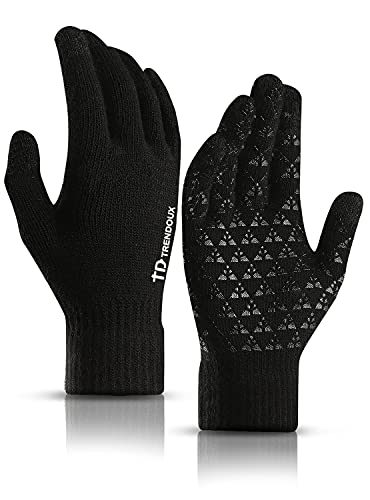
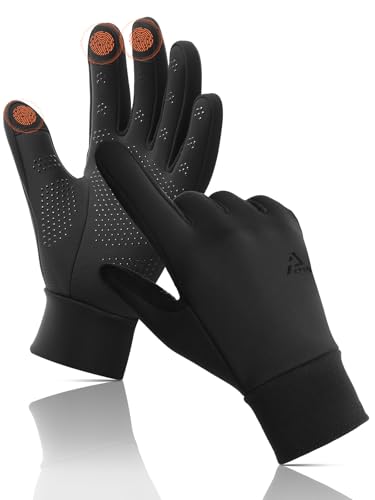

As an Amazon Associate we earn from qualifying purchases at no extra cost to you.
What actually keeps hands warm
Warmth in a glove comes from trapped air, so insulation thickness is only part of the story. Four factors decide how a glove performs:
- Insulation. Synthetic fills such as PrimaLoft and Thermacore keep warmth when damp. Fleece and wool liners add comfort and dry quickly.
- Weather barrier. A GORE-TEX or similar waterproof insert keeps snow and slush out but breathes less. Untreated leather and softshell resist light snow but soak through in sustained wet.
- Activity level. Standing still at a bus stop or ice fishing needs far more insulation than skinning uphill or running, where hands generate their own heat.
- Fit. Gloves that are too tight squeeze out the air layer and restrict circulation. Gloves that are too loose lose dexterity and let cold air circulate.
Mittens are warmer than gloves of the same insulation because the fingers share heat. Reviewers repeatedly put mittens at the top of the list for the coldest conditions, then trade away finger control.
At a glance: popular cold-weather gloves compared
| Glove | Best for | Stated build | Limits reviewers note |
|---|---|---|---|
| Black Diamond Guide | Mountaineering and sub-zero cold | Goat leather and nylon shell, 170 g PrimaLoft Gold, fleece-lined, GORE-TEX insert, removable wool liners | Premium tier cost, reduced dexterity, not touchscreen friendly |
| Hestra Fall Line | Moderate winter days, around 20 degrees Fahrenheit | Cowhide leather with fleece liner, G-Loft polyester insulation | Not fully waterproof; leather needs conditioning |
| Hestra Heli mitten | Low-activity extreme cold | Polyamide shell with leather palm, synthetic insulation, removable fleece liner | Water-resistant rather than waterproof; seams can seep when wet |
| Rab Khroma Freeride GORE-TEX | Backcountry skiing and harsh weather | Three-layer GORE-TEX insert, leather palms, synthetic insulation | Premium tier; too warm for mild days |
| Dakine Titan GORE-TEX | Moderate winter sports | Polyester shell, GORE-TEX insert, removable touchscreen-friendly liner | Less durable than leather premium gloves |
| The North Face Montana | Wet snow on a budget | 250 g Heatseeker Eco, DryVent shell, fleece lining | Low dexterity; thinner insulation at fingertips |
| Burton GORE-TEX | Budget-conscious snow days | Thermacore insulation, GORE-TEX with two-layer shell, removable liner | Reviewers say warmth fades below roughly 15 degrees Fahrenheit |
| Kinco lined work glove | Job sites and chores | Pigskin leather, HeatKeep insulation, waxed for water resistance | Stiff at first and runs large |
| Showa Atlas 282-02 | Wet work and ice fishing | Acrylic lining, fully waterproof polyurethane | Does not breathe; plain appearance |
| Smartwool or fleece liners | Layering or active use | Merino or fleece | No weather protection |
The details above come from a CleverHiker roundup, with extra notes from Switchback Travel, GearJunkie and Treeline Review. Treat any temperature range as a rough guide, since individual circulation varies widely.
Top picks by situation
Extreme cold and serious weather
CleverHiker named the Black Diamond Guide its best winter glove overall, citing the PrimaLoft insulation, a GORE-TEX insert and removable wool liners. Switchback Travel ranked the Guide a runner-up among ski gloves and chose the Black Diamond Mercury Mitt as its best mitten. The one caution from CleverHiker is that the Guide lacks a weather-resistant outer shell, so very wet, heavy snow will test it over a long day. Pairing a glove like this with a thin liner and a shell mitten is the classic mountain set-up.
Everyday winter and skiing
Treeline Review’s best overall winter glove is the Hestra Fall Line, praised for a cowhide shell that balances warmth and dexterity. Switchback Travel’s favorite overall is the Hestra Army Leather Heli Ski glove. Both are leather gloves, which are durable but need occasional conditioning, and Better Trail cautions that the Heli is not fully waterproof, so skiers in persistently wet climates may prefer a membrane glove.
Budget-friendly protection
The Dakine Titan, Burton GORE-TEX and The North Face Montana all land in the lower price tiers while offering a waterproof insert or shell. They give up some durability and, in the Burton’s case, warmth in the deepest cold. For chores and shoveling rather than skiing, the Kinco lined glove is rated as a durable, low-cost work option, although reviewers note a break-in period and a roomy fit.
Cold hands, poor circulation
Treeline Review lists the Outdoor Research Alti II mittens as its pick for people whose hands run cold. If your fingers go white or numb regularly, that may be a circulation condition such as Raynaud’s; see a doctor rather than relying on gear alone. Heated gloves are an option some people with cold-sensitive hands consider, and the heated glove guides on this site cover them separately.
High-output activity
For running, nordic skiing or fast hiking, thin gloves win. The REI Flash Power Wool, Outdoor Research Flurry Sensor and Smartwool liner appear in reviews as breathable, touchscreen-friendly layers with no weather protection. Carry a shell mitten in the pack in case the weather turns.
Fit, sizing and care
- Measure the hand. Wrap a tape around the palm just below the knuckles, excluding the thumb, and compare it with the maker’s size chart. Sizing varies a lot between brands.
- Try with your liner. If you plan to wear a liner glove, try both together. Several reviews say the Kinco and Outdoor Research Flurry run large.
- Look at the cuff. Over-the-cuff styles seal under a jacket sleeve in deep snow; under-the-cuff styles are better for thin jackets and daily wear.
- Dry them out. Damp insulation loses warmth. Air-dry at room temperature, away from direct heat, and take out removable liners to dry separately.
- Condition leather. Leather gloves such as the Hestra Fall Line need periodic treatment with the maker’s recommended wax or balm.
- Follow the label. Some gloves are hand-wash only, while liners may be machine washable; the care tag has the rules.
Budget tiers
| Tier | What you get | Examples |
|---|---|---|
| Budget | Fleece, wool or basic waterproof work gloves; fine for commutes and chores | Fleece liners, Smartwool liner, Showa Atlas, Kinco |
| Mid-range | Waterproof insert, removable touchscreen liner, synthetic insulation | Dakine Titan, Burton GORE-TEX, The North Face Montana |
| Premium | Leather palms, GORE-TEX, removable wool liners, longer lifespan | Black Diamond Guide, Hestra Fall Line, Rab Khroma Freeride |
Pick this if…
| If you… | Pick | Reason |
|---|---|---|
| Work or climb in sub-zero cold | Black Diamond Guide or Mercury mitt | Highest stated insulation and removable liners |
| Ski daily in changing weather | Hestra Fall Line, Rab Khroma Freeride | Balance of dexterity, leather durability and weather protection |
| Need waterproof on a tighter budget | Dakine Titan or The North Face Montana | Waterproof shell with touchscreen-friendly liner or lining |
| Do wet manual work | Showa Atlas 282-02 or Kinco | Waterproof or waxed leather, low-cost |
| Run or hike in the cold | Wool or fleece liner gloves | Breathable, light, good dexterity |
| Have constantly cold hands | Alti II mitten, or see a doctor first | Mitten design plus medical advice for persistent symptoms |
Alternatives to consider
- Mitten shells over liners. A thin liner glove under a roomy shell mitten gives adjustable warmth and lets you remove the mitten for fine tasks.
- Chemical hand warmers. Single-use warmer packs can be slipped inside a mitten; follow the packaging instructions and keep them off bare skin.
- Heated gloves. Battery-powered gloves such as the Outdoor Research Prevail Heated GORE-TEX appear in reviewer lists for people who still get cold in the best unheated gloves.
Frequently Asked Questions
Are gloves or mittens warmer?
Mittens are warmer at the same insulation level because the fingers share heat and there is less surface area. Gloves trade some warmth for dexterity. Many people carry both, using the glove for tasks and the mitten for standing around.
Do I need waterproof gloves?
If you handle snow, slush or rain, yes, because wet insulation loses much of its warmth. For dry, cold days, a breathable softshell or leather glove is more comfortable. Waterproof inserts breathe less, so very active people may overheat.
What size should I buy?
Measure around the palm and use the maker’s chart, then try the glove with any liner you plan to wear. Fit differs by brand, and reviewers note that some models run large. A snug but not tight fit keeps the air layer intact.
How do I clean and dry winter gloves?
Follow the care label, as some are hand-wash only. Dry them at room temperature away from radiators and open flames, since heat can damage leather and membranes. Pull out removable liners so each part dries fully.
Why are my hands cold even in good gloves?
Poor fit, damp insulation or a cold core can all contribute, so check those first. If your fingers repeatedly turn white, blue or numb, talk to a doctor, since conditions like Raynaud’s need medical advice. Gear can help but is not a treatment.
Do touchscreen fingertips work well?
On liners and slim gloves, reviewers say they work well. On thick insulated gloves, responses are usually weaker, and some premium models such as the Black Diamond Guide are not touchscreen compatible at all. A removable touchscreen liner, as on the Dakine Titan, is a handy compromise.







Write Your Review
No reviews yet. Be the first to share your experience!