

Key takeaways
- Muay Thai and kickboxing differ mainly in what the rules allow: Muay Thai, the Thai "art of eight limbs," permits punches, kicks, elbows.
Muay Thai and kickboxing differ mainly in what the rules allow: Muay Thai, the Thai “art of eight limbs,” permits punches, kicks, elbows, knees and extended clinching, while kickboxing generally limits you to punches and kicks and emphasizes faster hand combinations and movement. If you want a rounder toolbox with close-range clinch work, Muay Thai is the stronger fit; if you want a boxing-heavy striking style with kicks added, kickboxing usually suits you better.
Both styles are excellent for fitness and both are common entry points into martial arts, so the real question is which one matches your goals, your body and your local gyms. This guide compares rules, stance, scoring, conditioning and gear, then gives a quick way to choose. Rule sets vary by organization and region, so confirm the version your gym teaches before you commit. Training in 2026 is easy to start almost anywhere, and most gyms offer a free or discounted trial class.
Origins and Rule Sets
Muay Thai developed in Thailand over centuries as a battlefield art and later a national sport. Its modern competition rules allow strikes with fists, shins, elbows and knees, along with clinching, sweeps and throws. Fights are traditionally accompanied by a ritual and music, and the sport has a strong cultural tradition around respect for teachers.
Kickboxing came together in the twentieth century as a blend of karate, boxing and other striking arts. Rules differ by organization. Some versions allow low kicks and others prohibit them, and most restrict or ban elbows, knees and prolonged clinching. As a result, “kickboxing” is more of a family of rule sets than one fixed style.
How the Styles Differ in Practice
The rules shape what you practice, so here are the main differences in training and fighting.
Stance and Movement
Muay Thai fighters typically stand more upright with the weight slightly back, so they can check kicks, teep to control distance and enter the clinch. Kickboxers often use a more boxing-like stance with a mobile bounce, which supports fast footwork and quick punch combinations. Neither stance is right for everyone; they reflect what each rule set rewards.
Striking Tools
Muay Thai uses the elbow and knee as primary weapons and favors powerful roundhouse kicks with the shin. Kickboxing emphasizes crisp punches and kicks, often in fast, pointed sequences, and may include spinning or jumping techniques that score well under some rules. Because fewer weapons are allowed, kickboxing training spends more time refining hand speed and combinations.
The Clinch
The clinch is the biggest dividing line. In Muay Thai it is a core skill, used to control the head, off-balance the opponent and land knees. In most kickboxing rule sets, the referee breaks the clinch quickly, so training devotes little time to it. If close-range wrestling-like exchanges appeal to you, Muay Thai gives you far more of that.
Scoring and Strategy
Muay Thai scoring often rewards effective strikes, especially kicks, knees and balance-breaking techniques, and fights can have a patient rhythm. Kickboxing tends to reward volume, clean combinations and activity, so pacing is usually faster. These tendencies vary by organization, so check the rule set that applies to your goals.
Comparison Table
| Factor | Muay Thai | Kickboxing |
|---|---|---|
| Weapons allowed | Fists, shins, elbows, knees | Fists and kicks; elbows and knees usually limited |
| Clinch work | Central and extended | Brief or restricted |
| Typical stance | Upright, weight slightly back | Boxing-like with more bounce |
| Pace | Often patient, with rhythm | Often fast and high volume |
| Conditioning demand | Shin and clinch conditioning, strong core | Footwork and cardio for rapid exchanges |
| Cultural tradition | Strong, with rituals and teacher respect | Varies by gym and organization |
| Best for | Variety of weapons and close-range control | Boxing-forward striking with kicks |
Fitness and Injury Considerations
Both styles build cardio, leg strength, core stability and coordination. Muay Thai adds shin and clinch conditioning, which can be demanding on joints and the neck. Kickboxing places heavy demand on footwork and shoulder endurance because of high punching volume. Bruises, sore shins and sore feet are common in both during the first weeks.
If you have an existing injury or medical condition, consult a doctor before starting any contact sport. Choose a gym with qualified instructors who introduce sparring gradually, and make sure partners are matched by experience.
What a Typical Week Looks Like
A Muay Thai week often combines technique classes with pad rounds, clinch drills and conditioning built around kicking the heavy bag. Expect long rounds on pads, where a trainer holds Thai pads and calls strikes, and regular shin and core work. Many gyms add skipping, running and bodyweight circuits.
A kickboxing week leans toward combination drills, footwork patterns and pad rounds with fast changes of target. Shadowboxing, speed work and light technical sparring appear often, and conditioning tends to emphasize intervals and bag rounds at pace.
In both cases, beginners spend most of the first month learning stance, balance and the basic punches and kicks. Rushing into hard sparring is a common cause of early injuries, and good coaches build up gradually. If a gym promises quick sparring for all newcomers, ask how they supervise it.
Gear Differences
Basics overlap: hand wraps, gloves, a mouthguard and training clothes. Muay Thai adds shin guards that suit the heavier kicking and clinch work, and many gyms use thicker gloves and larger bags to absorb leg strikes. Kickboxing typically uses lighter shin and foot guards to allow rapid movement. Muay Thai shorts are cut shorter for hip mobility, though most gyms do not require a specific brand.
Ask the gym before you buy, since local expectations vary. Many offer loaner gear for the first few classes.
Competition and Pathways
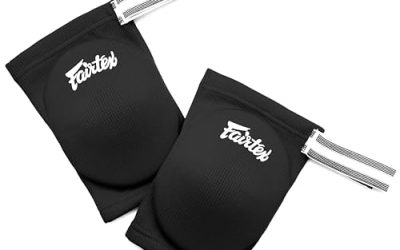
If you eventually want to compete, the rule set matters. Muay Thai has amateur and professional circuits with their own protective requirements, and many amateur bouts require elbow pads and headgear. Kickboxing has several formats, from point-style rounds with light contact to full-contact versions with different restrictions on low kicks. Ask what local events exist, since the closest circuit may decide which style makes practical sense.
Many people never compete and train purely for fitness. That is a perfectly good path, and most gyms in both styles run classes aimed at general fitness with no sparring requirement.
How to Choose Between Them
Pick based on what you want from training. If you enjoy a broad toolkit, close-range grappling-like exchanges and tradition, Muay Thai is a natural fit. If you prefer quick footwork, boxing-forward combinations and a more straightforward rule set, kickboxing is likely better. If you plan to move into mixed martial arts later, Muay Thai’s clinch and elbow work carries over well, though kickboxing’s punching fundamentals are equally useful.
The coach matters more than the label. A good instructor in either style will teach you more than a mediocre one in your preferred style, so visit local gyms and try a class before deciding.
Before You Start Checklist
- Ask which rule set the gym follows and whether elbows, knees and clinch are taught.
- Try a free or low-cost trial class at two different gyms.
- Confirm gear requirements and whether loaner equipment is available.
- Check how sparring is introduced and how partners are matched.
- Talk to a doctor if you have injuries or health concerns.
Related guides
- 16 Oz Boxing Gloves For Heavy Bag Training
- Combat Sports Terms Every Beginner Should Know
- Sports Bras For Boxing And Kickboxing
Frequently Asked Questions
Is Muay Thai harder than kickboxing?
Neither is simply harder. Muay Thai has more weapons and clinch work to learn, while kickboxing demands fast footwork and high output. Difficulty depends on your background and the gym’s approach.
Which style is better for self-defense?
Both teach distance control, striking and conditioning. Muay Thai’s clinch and elbows are often considered practical, but neither replaces situational awareness and avoidance, and no training guarantees safety.
Can I switch from one to the other?
Yes. Many people start in kickboxing and add Muay Thai, or the reverse. Expect an adjustment period in stance, kick technique and what is allowed in sparring.
Do I need to be fit to start?
No. Beginner classes are designed to build fitness, and a good coach scales the work to your level. Start at your own pace and rest when you need to.
More from Amazon
Programs that pair well with the guide above. Offers and eligibility are set by Amazon and may change.
Free shipping on eligible items, Prime Video and more. Eligible new members can start with a free trial.
Start a Prime free trialAudiobooks and podcasts to listen to on the go. Eligible new members can start with a free trial.
Try Audible freeAd-free music streaming. Eligible new subscribers can start with a free trial.
Try Music Unlimited freeA free business account with business pricing and bulk-buying tools for work, shop or home office.
Create a business accountAs an Amazon Associate we earn from qualifying purchases.






Write Your Review
No reviews yet. Be the first to share your experience!