

Key takeaways
- Skipping hand wraps and gloves on any bag, including a light one.
- Placing a freestanding bag on a slick floor without a mat.
- Hanging a heavy bag from a ceiling joist that is not rated for the load.
- Buying a bag so tall it hits the ceiling when tilted.
The best boxing bag for indoor use is a water-and-sand-filled freestanding bag or a dense hanging bag with a spring-free mount, because both absorb impact quietly and avoid the clanking of chain-and-spring setups. Freestanding bags such as the Century Wavemaster XXL or the Everlast Powercore suit apartments and garages with no ceiling mount, while a water or air heavy bag like the MaxxMMA suits people with a stand or beam. Floor protection and noise control matter as much as the bag itself.
Our top picks


As an Amazon Associate we earn from qualifying purchases at no extra cost to you.
Quick Comparison of Indoor Boxing Bags
| Pick | Best for | Type | Footprint | Price range |
|---|---|---|---|---|
| Century Wavemaster XXL | Best overall freestanding | Freestanding, fillable base | Medium base | Mid-range |
| Everlast Powercore | Quiet, compact freestanding | Water-filled base | Compact | Mid-range |
| FITVEN 70″ freestanding | Most households, kit with gloves | Suction-style fillable base | Medium | Budget to mid |
| Dripex freestanding | Smallest base footprint | Fillable base, shock absorbing | Small | Budget to mid |
| GIKPAL no-spring bag | Quietest for light-to-moderate punching | Tumbler style | Medium | Budget |
| MaxxMMA water/air heavy bag | Hanging bag without noise | Hanging, adjustable fill 70-120 lb | Needs a stand | Mid-range |
| Doorway quiet bag | Zero floor space | Hanging from door frame | None | Budget |
Specifications above follow each maker’s listings and roundups from 2026; verify the dimensions and fill capacity before buying.
Best Overall: Century Wavemaster XXL
The Wavemaster is the freestanding bag most roundups put first. Its big fillable base plants it firmly, and its taller bag gives you room to practise both head and body strikes. The trade-off is weight and footprint once filled: it is hard to move, so choose its spot carefully. Filling the base with water makes it manageable to move empty and stable once full.
Best Quiet Freestanding: Everlast Powercore
One roundup calls the Powercore the quietest freestanding option because the water-filled base takes the impact rather than a spring. It is a compact bag for smaller rooms and uses water fill only. It is better suited to technique work and cardio than to hard power punching.
Best for Most Households: FITVEN 70-inch
FITVEN’s 70-inch freestanding model has a fillable base and 360-degree shock dampening, and it is often sold with gloves, which makes it a convenient starter. Larger users may find the base moves under power shots until it is fully filled, so fill to the line and place it on a mat.
Best for Tight Floors: Dripex
The Dripex has one of the smallest base footprints among adult freestanding bags. That makes it a useful choice for studio apartments and corners of a spare room. The smaller base can tip more easily if you punch hard from an angle.
Quietest Light Option: GIKPAL
The GIKPAL uses a no-spring tumbler structure that removes the metallic clanking found on spring-based designs. Reviewers say it is very quiet, but also note it is not made for power punchers and may tip with heavy use. Treat it as a fitness and technique bag.
Best Hanging Option: MaxxMMA Water/Air Heavy Bag
If you have a ceiling beam or a stand, a water-and-air heavy bag takes hard shots with very little rattle. The MaxxMMA bag is adjustable from about 70 to 120 pounds, and its fill absorbs impact better than dense foam. You still need a solid mount, and the hanger is the point most likely to transmit noise to the floor above.
Smallest Footprint: Doorway Bag
A doorway-mounted bag is near-silent and takes no floor space. It is a light bag for fast hands and conditioning, not for power work, and it must be hung only on a frame designed to bear the weight.
How to Reduce Noise and Protect Your Floor
- Put a 3/4-inch rubber gym mat or interlocking foam under the bag; this reduces both noise and floor damage.
- Add an anti-vibration pad beneath the mat if neighbors live below; impacts travel through floors more than through the air.
- Avoid spring-loaded designs, which produce more noise than rigid ones.
- Train within sensible hours, roughly 7 AM to 9 PM, to avoid complaints.
- Fill freestanding bases fully; a half-filled base shifts and bangs.
Worked example: choosing the base fill
Many freestanding bases hold somewhere around 20 to 30 gallons when filled, so check the fill capacity on the spec sheet. Water weighs about 8.3 pounds per gallon, so a 25-gallon base adds roughly 208 pounds. Adding sand in place of water raises that, and a fully filled base is much less likely to walk across the floor than a half-filled one.
Decision Guide by Situation
| Situation | Choose | Why |
|---|---|---|
| Apartment with neighbors below | Water-filled freestanding or water/air hanging bag | Least vibration and metallic noise |
| Small room, light fitness use | Dripex or GIKPAL | Small footprint, quiet |
| Garage with a beam | MaxxMMA heavy bag | Takes hard shots |
| Renter who cannot drill | Freestanding or doorway bag | No permanent installation |
| Power punching | Century Wavemaster XXL or hanging bag | Heavier, more stable |
Common Mistakes
- Skipping hand wraps and gloves on any bag, including a light one.
- Placing a freestanding bag on a slick floor without a mat.
- Hanging a heavy bag from a ceiling joist that is not rated for the load.
- Buying a bag so tall it hits the ceiling when tilted.
Ownership Realities: What Wears and What to Maintain
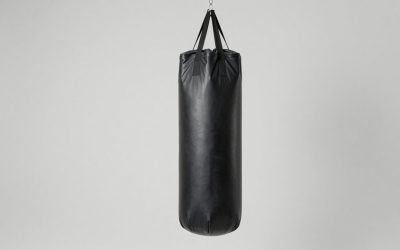
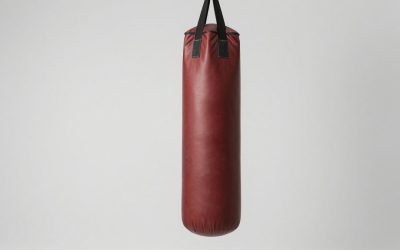
Freestanding bags have two weak points: the fill cap, which can leak if overtightened, and the connection between the bag column and base. Check the cap before each session and wipe the bag surface with a damp cloth to keep sweat from degrading the vinyl. Water-filled bases can grow algae if left for years, so some owners add a small amount of fill-safe treatment or drain and refill each season. Hanging bags should have their chains and swivel inspected every few months.
Also consider the surface of the bag. Vinyl bags are cheaper and wipe clean, while leather or leather-look bags take impact better but cost more. If you share the bag between household members, a padded freestanding model with a tall column suits mixed heights.
Which Type Fits Which Home
Ceiling height and floor type decide more than brand. Standard 8-foot ceilings can host a hanging bag of about 4 feet if the stand or beam allows, but the bag must clear the ceiling when it swings. Concrete garage floors take impact well, while upstairs apartments with wooden floors need the thickest mat you can fit. Basements are usually ideal because the noise is low and the floor is solid.
Setup Checklist Before the First Session
- Measure the space: the bag, your reach and your footwork need a clear circle.
- Lay the mat first, then position the bag and fill the base.
- Check that the bag does not touch walls, lights or fans when it tilts.
- Do a light round to listen for rattles from loose parts and tighten them.
- Keep a towel and water nearby; slippery floors from sweat are a common cause of falls.
Frequently Asked Questions
What is the quietest punching bag for an apartment?
Water-filled freestanding bags and water/air hanging bags are the quietest because they use no springs or chains. Pairing the bag with a thick mat reduces noise further.
Are freestanding punching bags good for power punching?
Larger freestanding bags with a fully filled base can handle regular training, but very hard strikes may shift lighter models. A hanging heavy bag is the better choice for power work.
How much space do I need for a boxing bag indoors?
Allow roughly a 6-foot by 6-foot area around a freestanding bag, with ceiling clearance above the bag top when it tilts. Hanging bags need space for the swing arc.
Can I use a boxing bag in a rental?
Yes, with a freestanding or doorway bag, which need no drilling. Always check lease rules before mounting anything to ceilings or walls.
Do I need gloves for an indoor bag?
Yes. Even lighter bags are hard on knuckles. Wraps and bag gloves protect the hand and wrist during every session.



Write Your Review
No reviews yet. Be the first to share your experience!