

Key takeaways
- What wears first: the seams and chain attachment points, followed by the shell where shins land.
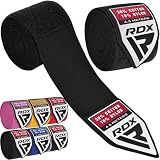
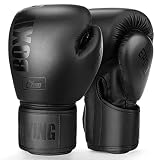
- Common mistake: hitting a brand-new 100 lb bag bare-handed. Use wraps and 14-16 oz gloves for the first weeks.
- Space needed: allow about 3 ft of clearance around a hanging bag and a ceiling at least 8 ft high for a 4-5 ft bag.
- Maintenance: wipe the shell with a damp cloth, and re-check chains and swivel every few months.
The best heavy bag for most home gyms is a 70-100 lb synthetic-shell bag with a fabric or fabric-blend fill, hung from a solid ceiling or wall mount. Fabric-filled bags from Outslayer, Ringside and Everlast are the names that show up most often in 2026 roundups, and freestanding bags such as the Century Wavemaster XXL suit renters who cannot drill into a ceiling. Pick weight first, mount second and brand last.
Our top picks


As an Amazon Associate we earn from qualifying purchases at no extra cost to you.
Quick Comparison of Heavy Bag Picks
| Pick | Best for | Typical specs | Price range |
|---|---|---|---|
| Outslayer 80-100 lb fabric-filled hanging bag | Best overall for a dedicated space | Fabric fill, heavy-duty shell, made in the USA per the maker | Premium |
| Ringside Powerhide 100 lb | Best value for intermediate strikers | Synthetic leather shell, 100 lb, hardware included | Mid-range |
| Everlast 70-80 lb nylon bag | Best budget and widely available | Nylon shell, 70-80 lb, floor stand sold separately | Budget to mid |
| Century Wavemaster XXL | Best freestanding | Water- or sand-filled base, no ceiling mount needed | Mid to upper-mid |
| Unfilled 4-5 ft bag you fill yourself | Best for custom weight | Empty shell, you add rags, fabric or sand | Budget |
Best Overall: Outslayer Fabric-Filled Hanging Bag
Outslayer is the most frequent top pick in 2026 buyer guides, mainly for its fabric filling, long warranty and pro-grade construction according to the roundups that cover it. The 80 lb version is often suggested for most home gyms because it swings enough to teach footwork without flying across the room, while the 100 lb version suits heavier strikers and power work.
Who it suits: boxers, kickboxers and K-1 style fighters who train several times a week and want a bag that holds its shape. Main trade-off: it sits in the premium price tier, and you still need a mount rated well above the bag weight.
Best Value: Ringside Powerhide 100 lb
Ringside is usually named alongside Outslayer in roundups, with reviewers praising durability and the hardware included in the box. A 100 lb bag is a good fit for intermediate to advanced strikers who throw kicks and knees and want the bag to absorb them without swinging wildly.
Who it suits: adults above roughly 170 lb who want one bag for punches and low kicks. Main trade-off: at 100 lb the bag is unforgiving for beginners with unconditioned wrists, and the synthetic leather shell will scuff over time.
Best Budget: Everlast Nylon Heavy Bag
Everlast is the easiest brand to find and one of the cheapest ways to start. Reviewers praise the shock absorption of the 80 lb size, but also report that zippers can come undone and that no floor stand is included, so check what is in the box before you order.
Who it suits: beginners, teens and anyone unsure they will keep training. Main trade-off: bags with traditional fill can settle over months, leaving a firmer lower section, which is why higher-end bags use fabric fills instead of sand.
Best Freestanding: Century Wavemaster XXL
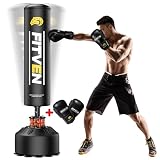
A freestanding bag sits on a base you fill with water or sand, so there is nothing to drill. One 2026 review calls the Wavemaster XXL the most stable freestanding option among those it covered. It is the practical answer for apartments, garages with finished ceilings and shared homes.
Who it suits: punchers who throw light to medium combinations and want fast setup. Main trade-off: freestanding bags rock and rebound differently from hanging ones, so heavy low kicks can tip or walk the base on smooth floors.
How to Choose a Heavy Bag by the Numbers
Match weight to body weight
A common rule of thumb is a bag weighing roughly half your body weight, up to about 100 lb for most adults. A 150 lb striker usually does well with a 70-80 lb bag; a 200 lb striker with a 100 lb bag. Too light and the bag swings away from every kick, which makes it hard to build a rhythm.
| Body weight | Suggested bag weight | Suggested length |
|---|---|---|
| Under 130 lb | 40-60 lb | 3-4 ft |
| 130-170 lb | 60-80 lb | 4-5 ft |
| 170-220 lb | 80-100 lb | 4.5-6 ft |
| Over 220 lb | 100-120 lb | 5-6 ft |
Check the mount rating
A 100 lb bag does not put only 100 lb on the ceiling: every punch and kick adds dynamic load. A safe approach is to size the mount, joist and hardware for at least double the bag weight, and to hang into a structural beam rather than drywall. If you cannot do that, go freestanding.
Fill and shell
Fabric or textile fills resist settling and hard spots better than sand-heavy fills. Synthetic leather shells cost more than nylon but handle shin contact better. Unfilled bags are cheapest, but you must pack them evenly or the bag will be lumpy.
Ownership Realities
- What wears first: the seams and chain attachment points, followed by the shell where shins land.
- Common mistake: hitting a brand-new 100 lb bag bare-handed. Use wraps and 14-16 oz gloves for the first weeks.
- Space needed: allow about 3 ft of clearance around a hanging bag and a ceiling at least 8 ft high for a 4-5 ft bag.
- Maintenance: wipe the shell with a damp cloth, and re-check chains and swivel every few months.
Frequently Asked Questions
What weight heavy bag should I buy?
Aim for about half your body weight, capped near 100 lb for most people. Beginners often do better one step lighter while they build wrist and shoulder conditioning.
Are fabric-filled heavy bags better than sand-filled?
Fabric fills tend to stay evenly dense, while sand-heavy fills can settle and create hard spots at the bottom. Fabric-filled bags usually cost more but last longer under kicks.
Can I use a heavy bag in an apartment?
Yes, with a freestanding bag or a wall mount rated for the load. Expect noise and vibration, so use a rubber mat and avoid training late at night.
How high should I hang a heavy bag?
The bottom of the bag should sit roughly at knee to mid-shin height so the top third lines up with head level. Adjust the chain length to your height and your kick style.
Do I need a heavy bag stand?
Only if you cannot mount to a ceiling or wall. Stands take floor space and can wobble under a 100 lb bag unless you weigh down the base.


Write Your Review
No reviews yet. Be the first to share your experience!