

Key takeaways
- Smelly boxing gloves usually need surface cleaning, drying and airflow, not a washing machine. Follow a step-by-step routine and cut odor for good.
The fastest fix for smelly boxing gloves is to air them out after each session, wipe the inside with a lightly dampened cloth, deodorize with something dry like baking soda, and let them dry fully away from direct heat. Odor comes from sweat and bacteria trapped in warm, damp foam, so cleaning the surface alone is rarely enough; moisture control matters more. Below is a step-by-step routine, a comparison of common methods, and the habits that stop the smell coming back. Always check your gloves’ care label first, because materials differ.
Why boxing gloves smell
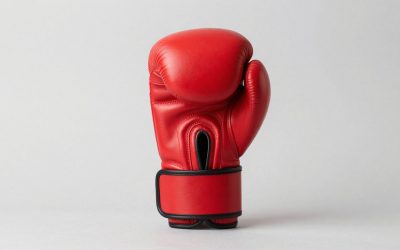
A glove is a closed pocket of foam and lining that absorbs sweat during every round. Bacteria feed on that moisture and release the sour smell most people recognize. If the gloves are zipped into a bag afterward, the moisture has nowhere to go and the smell builds with each session.
That also explains why strong perfumes rarely work. They sit on top of the odor without removing its cause. A successful routine reduces moisture, cleans the lining and improves airflow.
Warm rooms, humid climates and long sessions make the problem worse, and so does skipping hand wraps, because bare skin leaves more sweat and skin oil in the lining. Gloves shared between several people tend to smell sooner for the same reason, so a personal pair kept clean is usually the better option.
What you need before you start
- Two clean cloths or microfiber towels
- Mild soap, or white vinegar mixed roughly half and half with water
- Baking soda or a dedicated glove deodorizer meant for gym equipment
- Old newspaper or dry towels for absorbing moisture
- A well-ventilated spot out of direct sun
Check the manufacturer’s care instructions as well. Leather, synthetic leather and vinyl shells can respond differently to cleaners.
Step-by-step cleaning routine
- Remove hand wraps or liners and set them aside to wash separately.
- Open the gloves fully by loosening the strap or laces so air can reach the inside.
- Dampen a cloth with the vinegar and water mix, or a drop of mild soap in water. Wring it out well, since you want it damp, not wet.
- Wipe the interior lining, the palm area and the thumb, then wipe the outside shell with a second lightly damp cloth.
- Pat the inside dry with a clean towel to lift moisture.
- Sprinkle a thin layer of baking soda inside, or place it in a clean sock or breathable pouch tucked into each glove. Leave it overnight.
- Shake out or vacuum off any powder before the next session.
- Stuff loosely with newspaper or leave the gloves standing open in a ventilated room until completely dry, typically 24 hours or more.
Spot-check a hidden area before using any cleaner on the whole glove, since finishes vary.
Cleaning methods compared
| Method | Good for | Watch out for |
|---|---|---|
| Air drying after every session | Preventing odor | Needs a few minutes of habit |
| Vinegar and water wipe | Cutting lining odor | Do not soak; check finish first |
| Mild soap and water wipe | Surface grime and sweat | Residue if not wiped off |
| Baking soda | Absorbing lingering odor | Remove the powder before use |
| Deodorizer spray for gear | Quick refresh | Check it suits your glove material |
| Washing machine or dryer | Not advised | Warping, cracking, trapped moisture |
Deep clean for gloves that already smell bad
If the odor is well established, repeat the routine over several days instead of using something harsher. On day one, wipe the lining with the vinegar mix and leave baking soda inside overnight. On day two, shake the powder out, wipe again with a cloth dampened with plain water to remove residue, and stand the gloves open for a full day of airflow. On day three, check the smell. A faint odor that fades overnight usually means you are winning; a sour smell that returns within hours points to moisture still trapped deep in the foam.
Leather and synthetic gloves behave a little differently. Genuine leather benefits from only a light touch with moisture and may appreciate a conditioner made for leather once it is fully dry, while synthetic shells tolerate wiping better but can trap more heat, so ventilation matters even more. When the label is unclear, take the gentlest path: dry wipes, baking soda, airflow.
A three-minute routine after every session
- Take hand wraps or liners out immediately and hang them to dry.
- Open the strap or laces fully and spread the gloves apart.
- Wipe the lining with a dry cloth to lift surface sweat.
- Stand the gloves upright or hang them in a spot with moving air, away from sun and heaters.
- Put a breathable deodorizer pouch inside once they are cool.
This routine alone prevents most odor for people who train a few times a week. Do the weekly wipe-down above only when the gloves start to smell again.
What can go wrong
Over-wetting is the most common mistake. Wet foam takes days to dry, and damp padding can develop mildew that smells worse than the original problem. Heat is the other risk: direct sun, a radiator or a hair dryer can dry out leather and stiffen or crack synthetic materials.
Harsh chemicals can also damage finishes and the lining. Strong bleach and undiluted alcohol are best avoided unless the manufacturer says otherwise. If you spot dark patches of mold on the lining, ventilate the room, wear gloves while handling, and consider replacing the pair if the growth returns after cleaning.
Prevent the smell from coming back
Prevention is cheaper than cleaning. After every session, take the gloves out of the bag immediately, open them up and set them somewhere with airflow. Wear clean hand wraps or thin inner liners each time, and wash those after every use so sweat does not collect in the glove. Keeping a deodorizing insert, such as a cedar or charcoal-type product designed for gloves, in the gloves between sessions can help too.
If you train often, rotating two pairs gives each a full day to dry. Avoid storing gloves in a hot car trunk or closed locker; both trap heat and moisture together.
When to replace instead of clean
Smell is not the only sign. Replace the gloves if the lining is peeling or tearing, the foam feels flat or lumpy, seams are splitting, or the odor returns within a day or two of a thorough cleaning. Worn padding stops protecting your hands and wrists, so there is no point in cleaning a pair that has reached the end of its life. If you notice skin irritation that does not go away, speak with a healthcare professional and stop using the gloves until the cause is understood.
Related guides
- 16 Oz Boxing Gloves For Heavy Bag Training
- How To Wrap Your Hands For Boxing
- Everlast Vs Venum Boxing Gloves
Frequently asked questions
Can you put boxing gloves in the washing machine?
It is generally not recommended. Soaking and tumbling can warp the foam, loosen stitching, damage leather or synthetic shells and leave the padding wet inside, where mildew can start. Unless the manufacturer’s care label explicitly allows machine washing, stick with surface cleaning, a light deodorizing treatment and thorough air drying.
Does vinegar get the smell out of boxing gloves?
A mix of roughly equal parts white vinegar and water on a cloth is a widely used way to cut odor on the lining. Wipe lightly, never saturate, and let the gloves air out. Try it on a hidden spot first, since some leathers and finishes can be sensitive. Follow any care instructions from the glove’s manufacturer.
How long should boxing gloves dry after cleaning?
Allow at least 24 hours in a well-ventilated room, and longer if the interior still feels damp or cool to the touch. Keep them out of direct heat, since hot sun, radiators and hair dryers can dry out and crack the material. Standing them open or hanging them helps air reach the inside of the glove.
How often should boxing gloves be cleaned?
A quick wipe and airing after every session prevents most odor. A fuller interior cleaning every week or two suits people who train several times a week, and more often in hot or humid conditions. Hand wraps or inner glove liners should be washed after each use because they hold much of the sweat.
When should smelly boxing gloves be replaced?
Replace gloves when the odor returns quickly after cleaning, the lining is peeling or shredding, the foam has flattened, or you see persistent mold spots. Worn padding no longer protects your hands and wrists, so a pair that is both smelly and compressed is better retired than cleaned. Rotating two pairs and drying them after each session extends the life of both, and cleaning the gym bag helps too.


Write Your Review
No reviews yet. Be the first to share your experience!