

Key takeaways
- Always wear hand wraps and bag gloves; a heavy bag is hard on bare hands.
- Warm up the shoulders and wrists first, and begin with light rounds before hitting hard.
- Keep wrists straight on impact; many early injuries come from poor alignment.
- Use timed rounds, such as three minutes on and one off, to give the session structure.
- Check with a doctor before beginning a new exercise routine if you have joint or health concerns.
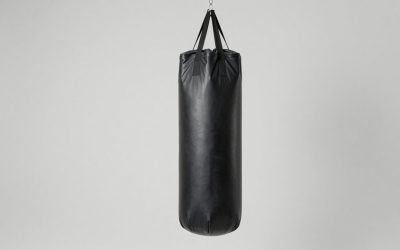
The best heavy bag for anger management and stress relief is a hanging bag of about 70 to 100 pounds if you have a solid mount, or a freestanding bag with a fully filled base if you do not. Reviewers repeatedly point to the Everlast 1910 and the Meister 100 lb filled bag among hanging options, and the FITVEN and RORALA 70-inch models among freestanding ones. This article is general fitness information, not mental health advice; anyone struggling with anger or stress should speak with a qualified professional.
Our top picks


As an Amazon Associate we earn from qualifying purchases at no extra cost to you.
Quick Comparison of Heavy Bags for Stress Release
| Pick | Best for | Type and weight | Needs | Price range |
|---|---|---|---|---|
| Everlast 1910 (100 lb) | Best overall hanging, full-grain leather | Hanging, about 100 lb | Ceiling or stand mount | Upper-mid |
| Meister 100 lb filled bag | Everyday all-rounder | Hanging, 100 lb, pre-filled | Ceiling or stand mount | Mid-range |
| Everlast Elite 2 (80 lb) | Mid-weight hanging bag | Hanging, about 80 lb | Ceiling or stand mount | Mid-range |
| FITVEN freestanding | Renters, quick setup | Freestanding, fillable base, gloves included | Floor space | Budget to mid |
| RORALA 70-inch freestanding | Stable freestanding with stand | Freestanding with stand | Larger footprint | Mid-range |
| Desktop punch bag | Small desk release, no workout | Desktop, light | Tabletop | Budget |
Weights and types follow maker listings and 2026 roundups; confirm the current specification before buying.
Best Overall: Everlast 1910 (100 lb)
The Everlast 1910 is made of full-grain leather and is the bag Garage Gym Reviews picks as its best overall hanging bag. A genuine leather shell takes repeated heavy strikes without splitting seams as quickly as vinyl. It is the pricier route, and you must hang it from a ceiling mount or stand rated for the load.
Best Everyday Pick: Meister 100 lb Filled Bag
The Meister arrives pre-filled and is described by reviewers as a dependable all-rounder. A 100-pound bag has the mass to stay put when you swing hard, which is what many people want for a frustration outlet. It is heavy to install, so plan for two people.
Best Mid-Weight Hanging Option: Everlast Elite 2 (80 lb)
An 80-pound bag is a little more forgiving to hang and moves slightly more with a hit, which makes it more fun for combos and less jarring on the wrists. It suits people under about 180 pounds who prefer to move the bag around.
Best Freestanding: FITVEN
FITVEN’s freestanding bag has a fillable suction-style base and is often bundled with 12 oz gloves. It is the practical pick for renters who cannot drill into ceilings. Because the base is fill-dependent, it can slide with very hard strikes if not completely filled, so fill to the line.
Most Stable Freestanding: RORALA 70-inch
StyleGuru notes that the RORALA’s stand gives more stability than suction-cup designs, but it takes up more space. This is a better pick if you plan to punch hard and have the room.
Smallest Option: Desktop Punch Bag
If all you want is a quick release at a desk, a desktop bag costs little. It will not give you the full-body effort of a heavy bag, but it offers a quick way to channel energy for a minute.
How to Choose Bag Weight
A common rule of thumb is to pick a bag of about half your body weight for power work, though this varies by trainer. Lighter bags move more and are easier on joints, while heavier bags barely move and provide more resistance.
| Your weight | Suggested bag | Why |
|---|---|---|
| Under 150 lb | 60 to 70 lb hanging or freestanding | Swings enough to feel responsive |
| 150 to 200 lb | 70 to 100 lb hanging | Good mass for power shots |
| Over 200 lb | 100 lb hanging or heavy freestanding | Stays put under harder hits |
Worked example: mount load
A 100-pound bag swinging with a hard strike can briefly exert more than its own weight on the mount, so use hardware and a beam rated well above 100 pounds. If you do not know what the ceiling can support, choose a freestanding bag or have a qualified person check the structure.
Safety and Technique
- Always wear hand wraps and bag gloves; a heavy bag is hard on bare hands.
- Warm up the shoulders and wrists first, and begin with light rounds before hitting hard.
- Keep wrists straight on impact; many early injuries come from poor alignment.
- Use timed rounds, such as three minutes on and one off, to give the session structure.
- Check with a doctor before beginning a new exercise routine if you have joint or health concerns.
Hanging vs Freestanding: Which Suits a Stress Outlet
A hanging bag gives the most satisfying response: it absorbs a hard strike, swings back and lets you use your whole body. It also needs a rated ceiling joist, beam or heavy-duty stand, a few feet of clearance around it, and a way to protect the floor. A freestanding bag asks for less commitment. You fill the base, drag it into place and start. The trade-off is a slightly bouncier, more lightweight feel and a bag that can walk across the floor if the base is not full.
If you live in a rental or a shared building, think about noise too. A hanging bag on a stand can transmit vibration into the floor, so a thick mat helps. Freestanding bags usually produce more of a thump than a rattle, which some neighbors find easier to ignore. For late-evening sessions, a quieter design is a courtesy as much as a convenience.
Building a Simple Session Routine
- Warm up for five minutes with arm circles, shoulder rolls and light shadow punches.
- Wrap your hands and put on bag gloves before touching the bag.
- Spend the first round on light jabs and straight punches to find your rhythm.
- Use the next rounds for combinations, mixing in body shots and movement around the bag.
- Save your hardest effort for one short round, then cool down with light shots and stretching.
Consistent, structured sessions tend to give a more reliable sense of release than an occasional all-out bout. The point is controlled exertion, not hitting until you are exhausted.
Frequently Asked Questions
Does hitting a punching bag help with anger?
Many people find physical exertion helps them release tension, and some sources compare a heavy bag favorably with running for emotional release. It is not a substitute for professional support if anger is a recurring problem.
What weight heavy bag is best for beginners?
A 70 to 80 pound hanging bag suits most beginners. It is heavy enough for solid strikes but moves enough to be forgiving.
Are freestanding bags good for stress relief?
Yes, if the base is fully filled and the bag is on a mat. They are easier to set up in a rental but are generally less stable under heavy strikes than hanging bags.
Do I need gloves and wraps?
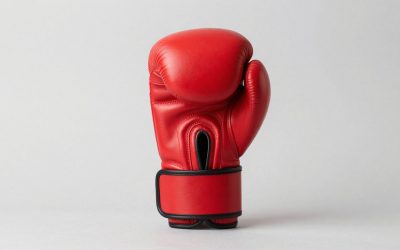
Yes. Wraps support the wrist and bag gloves cushion impact, so they should be used from the first session.
How long should a stress-relief bag session last?
Many people use 10 to 20 minutes in timed rounds. Stop if you feel pain, and build duration gradually.


Write Your Review
No reviews yet. Be the first to share your experience!