

Key takeaways
- Synthetic and vinyl shells: low cost, weather resistant, and fine for home use. Seams are the first failure point.
- Leather: long-lasting and grippy but heavier, pricier and more sensitive to moisture.
- Fill: textile fill is the standard because it spreads weight evenly. Bags filled with sand or loose chunks can feel like a brick and may bruise knuckles.
- Chains and straps: check for welded links and swivels, since they bear the entire load.
The best heavy bag for most people is a 70 to 100 lb hanging bag with a synthetic leather shell and a pre-packed fabric fill, because that range gives boxers of 130 to 200 lb enough resistance to build power without punishing the wrists. If you cannot drill into a ceiling joist, a water-and-sand base freestanding bag is the practical alternative, and if you train Muay Thai, a long banana-style bag lets you kick at every height. The right pick depends on your bodyweight, your ceiling, and the way you hit, so the sections below match each situation to a real product type.
Our top picks


As an Amazon Associate we earn from qualifying purchases at no extra cost to you.
Quick Comparison of the Picks
| Pick | Best for | Key specs | Price range |
|---|---|---|---|
| Everlast Nevatear hanging bag | Best overall for beginners | Synthetic shell, 70-100 lb classes, chain and swivel included in most kits | Budget to mid |
| Ringside Powerhide heavy bag | Best for gym-style durability | Reinforced vinyl, filled, 70-100 lb classes, D-ring or strap hanging | Mid |
| Title Boxing leather-style heavy bag | Best for hard hitters | Heavier 100 lb class options, dense fill, tight stitching | Mid to upper-mid |
| Century Wavemaster-style freestanding bag | Best without a ceiling mount | Water or sand base, adjustable height, 200+ lb filled base weight | Mid to upper-mid |
| Fairtex banana bag (unfilled shell) | Best for Muay Thai kicks | Approx. 6 ft long, tapered, you fill it yourself | Upper-mid |
| Sanabul-style bag and glove bundle | Best starter kit | Pre-filled bag, hanging chain, gloves and wraps in one box | Budget |
Specifications vary by edition and size, so check the listed weight and height before you order. Product details in this guide come from manufacturer descriptions and spec sheets, not from personal use.
Best Overall: Everlast Nevatear Hanging Bag
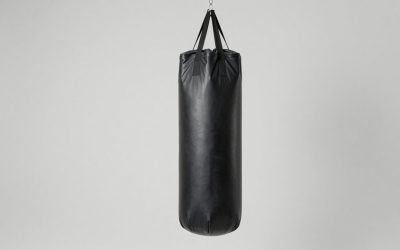
Everlast’s Nevatear line is the default recommendation for anyone buying a first bag. The shell is a coated synthetic material built to resist splitting at the seams, and the 70 lb and 100 lb classes cover the two weights that most adults train with. Most kits ship ready to hang with a chain, a swivel and sometimes a ceiling hook, which saves a trip to the hardware store.
The trade-off is that synthetic shells can feel slightly slick on bare or lightly wrapped hands, and the fill packs down over time, so the bottom of the bag can harden after a year of heavy use. You can fix this by hanging the bag a few inches lower or by punching it with the bottom third every few weeks to loosen the fill.
Best for Gym-Style Durability: Ringside Powerhide Heavy Bag
Ringside has supplied boxing gyms for decades, and its Powerhide bags are built around heavy vinyl panels and strap hanging systems designed to take daily rounds from several users. For a home gym that doubles as a family or club workout space, a bag like this earns its keep because the fill stays more evenly distributed and the straps do not dig into the ceiling mount.
It is a better fit when two or three people with different strengths share one bag. The downside is weight: a 100 lb bag is awkward to carry and install alone, so plan a second person to lift it onto the hook.
Best for Hard Hitters: Title Boxing Heavy Bag
Title Boxing sells heavy bags in several weight classes and materials, and its heavier options suit athletes above roughly 190 lb who find a 70 lb bag swings too freely. A heavier, denser bag stays still when you throw power shots, which gives clean feedback on your punch mechanics rather than a sloppy swing.
The trade-off is that a 100 lb bag needs a solid mount. Make sure your joist or ceiling beam is rated for the dynamic load, not just the static weight (more on that in the calculation below).
Best Without a Ceiling Mount: Century Wavemaster-Style Freestanding Bag
Century’s Wavemaster family popularized the tall freestanding bag that sits on a base you fill with water or sand. It suits apartments, garages with finished ceilings, and renters who are not allowed to drill. The base alone can reach well over 200 lb when filled with sand, according to the maker’s descriptions, so it stays put during combinations.
The trade-offs are real. Freestanding bags rebound faster and feel lighter than hanging bags, so they teach different timing, and the base takes space. Low kicks can also tip lighter models, so fill the base to the maximum line and add sand if you kick often.
Best for Muay Thai Kicks: Fairtex Banana Bag
A banana bag is long and tapered, around 6 ft in standard versions, so you can throw low kicks to the thigh, body kicks to the ribs and high kicks to the head on one surface. Fairtex is one of the best-known Thai brands, and its bags usually ship unfilled so you can pack them to the density you want with rags, textile scraps or fill.
The trade-off is the setup work: an unfilled bag needs time and material to pack evenly, and a poorly packed bag develops hard spots. A long bag also needs a ceiling height of at least 8 ft and a wide hang point.
Best Starter Kit: Bag and Glove Bundle
Budget bundles from brands like Sanabul pair a pre-filled bag with gloves, wraps and a hanging chain. For a teenager or a casual user, that means you can start training the day the box arrives. The compromise is that the included gloves are typically thin and the bag may be lighter than a standalone model, so plan to upgrade the gloves within a few months.
How Much Should a Heavy Bag Weigh?
The common rule is that a heavy bag should weigh about half your bodyweight, with a practical range from 40 to 60 percent. A lighter bag swings and can stress your shoulders; a bag that is too heavy hides your technique flaws and can jar your wrists.
| Your bodyweight | Suggested bag weight (hanging) | Why |
|---|---|---|
| Under 130 lb | 40 to 60 lb | Moves enough to practice footwork and angles |
| 130 to 170 lb | 70 lb | Balanced resistance for general fitness |
| 170 to 210 lb | 80 to 100 lb | Stays still against power shots |
| Over 210 lb | 100 lb or more | Keeps the bag from flying around on kicks |
Worked Example: Mount Load and Cost per Session
Take a 100 lb bag and a 180 lb athlete throwing hard combinations. A moving bag can briefly load the hook with a force well above its static weight; a common rule of thumb is to design for at least two to three times the bag weight, so plan for 200 to 300 lb of dynamic force on one anchor point. Spread that over two lag screws into a joist, or use a purpose-built wall or ceiling mount rated for the load, rather than a drywall anchor.
For cost per use, divide the price by sessions. If a mid-range bag costs about the price of two months of gym membership and you train three times per week for two years, that is roughly 300 sessions, so the per-session cost falls to a small fraction of a gym visit. Spending more on a bag that survives five years beats replacing two cheaper bags that split at the seams.
Materials and What Wears First
- Synthetic and vinyl shells: low cost, weather resistant, and fine for home use. Seams are the first failure point.
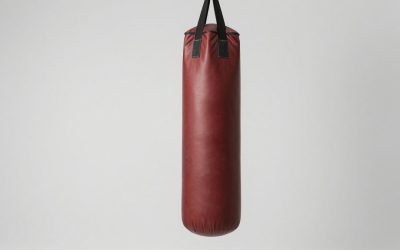
- Leather: long-lasting and grippy but heavier, pricier and more sensitive to moisture.
- Fill: textile fill is the standard because it spreads weight evenly. Bags filled with sand or loose chunks can feel like a brick and may bruise knuckles.
- Chains and straps: check for welded links and swivels, since they bear the entire load.
Common Mistakes When Buying a Heavy Bag
- Buying a bag far lighter than half your bodyweight and then wondering why it swings.
- Hanging a bag from a ceiling that is not rated for movement.
- Skipping hand wraps. A bag is unforgiving; wrap your hands and wear 14 to 16 oz gloves for most bag work.
- Leaving a bag in a hot garage or in direct sun, which dries out vinyl and cracks seams.
Frequently Asked Questions
What weight heavy bag should a beginner buy?
Most beginners do well with a 70 lb bag, or about half their bodyweight. It gives enough resistance to build conditioning but still moves so you can practice timing and footwork.
Is a freestanding bag as good as a hanging bag?
A freestanding bag is a good compromise when you cannot drill into a ceiling. It rebounds faster and is lighter in feel, so it teaches speed and movement, while a hanging bag gives a heavier, steadier target for power work.
How high should I hang a heavy bag?
The top of the bag should sit about at or slightly above your shoulder height, with the bottom a few inches off the floor. That position lets you throw punches to head and body height and leaves room for low kicks.
Can I use a heavy bag every day?
Many fighters hit a bag several times per week, but your hands, wrists and shoulders need recovery. If you feel pain in your joints, reduce volume, wrap your hands properly and see a qualified coach or health professional.
How do I stop my heavy bag from swinging?
Choose a heavier bag, hang it from a rigid mount, and use a bag strap or stabilizer. Footwork also matters, since many swings come from pushing the bag with a long, flat punch rather than snapping it.
How long do heavy bags last?
A well-made bag can last several years with regular use. Expect the seams and the bottom third of the fill to wear first, and replace the bag if the shell splits or the fill becomes rock hard.



Write Your Review
No reviews yet. Be the first to share your experience!