

Key takeaways
- For high acidity: look to Chablis, Champagne, cooler parts of California, coastal Chile, Tasmania and Margaret River.
- For a creamy texture: choose wines described as barrel-fermented, barrel-aged or malolactic. Malolactic fermentation can soften sharp apple-like acidity into a rounder, creamier impression.
- For obvious vanilla and toast: seek phrases such as “oak-aged,” “barrel-aged” or “toasty.” American oak usually gives a more pronounced vanilla profile than older or neutral French oak.
- For a clean, fruit-led bottle: choose “unoaked,” “stainless-steel fermented” or “cool-climate” Chardonnay.
- For a richer wine: alcohol around 13.5% to 14.5% often accompanies riper fruit and fuller body, although alcohol alone does not determine quality.
The best Chardonnay wines depend on whether you want bright, mineral acidity, creamy oak, rich fruit, or the best value: choose Chablis or unoaked California Chardonnay for freshness, white Burgundy for restrained complexity, and oak-aged California or Australian Chardonnay for a fuller, buttery style.
Our top picks


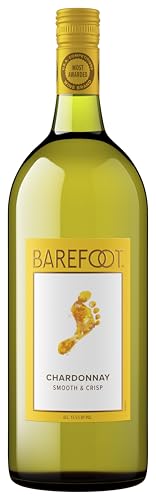
As an Amazon Associate we earn from qualifying purchases at no extra cost to you. Ratings are shown as listed on Amazon.
Quick picks by Chardonnay style
| Best for | Bottle or region to look for | Typical style | Typical price range |
|---|---|---|---|
| Fresh seafood and shellfish | Chablis, France | Unoaked or lightly oaked, high acidity, citrus and mineral notes | $25–$60 |
| Best budget all-rounder | Unoaked Chardonnay from Chile or South Africa | Apple, lemon, moderate body, clean finish | $10–$18 |
| Creamy texture at moderate cost | Kendall-Jackson Vintner’s Reserve Chardonnay | Medium- to full-bodied, vanilla, ripe fruit, noticeable oak | $12–$20 |
| Rich, buttery California style | Rombauer Carneros Chardonnay | Full-bodied, ripe fruit, toast, vanilla and creamy texture | $35–$50 |
| Elegant special-occasion bottle | Premier Cru white Burgundy, such as Meursault or Puligny-Montrachet | Layered fruit, oak integration, acidity and long finish | $80–$250+ |
| Powerful but balanced alternative | Margaret River Chardonnay, Australia | High acidity, concentrated citrus, subtle toast | $25–$80 |
What to look for when buying Chardonnay
Chardonnay is one grape variety, but the finished wine can range from lean and steely to broad, buttery and heavily toasted. Region is a useful starting point, while oak, acidity, alcohol level and winemaking choices determine how the bottle feels in the glass.
- For high acidity: look to Chablis, Champagne, cooler parts of California, coastal Chile, Tasmania and Margaret River.
- For a creamy texture: choose wines described as barrel-fermented, barrel-aged or malolactic. Malolactic fermentation can soften sharp apple-like acidity into a rounder, creamier impression.
- For obvious vanilla and toast: seek phrases such as “oak-aged,” “barrel-aged” or “toasty.” American oak usually gives a more pronounced vanilla profile than older or neutral French oak.
- For a clean, fruit-led bottle: choose “unoaked,” “stainless-steel fermented” or “cool-climate” Chardonnay.
- For a richer wine: alcohol around 13.5% to 14.5% often accompanies riper fruit and fuller body, although alcohol alone does not determine quality.
Best Chardonnay wines by region
Chablis: the choice for freshness and minerality
Chablis comes from northern Burgundy and is made from Chardonnay, despite often tasting very different from heavily oaked California examples. Expect lemon, green apple, white flowers and a firm, dry finish. Basic Chablis is usually the best entry point; Chablis Premier Cru and Grand Cru offer greater concentration and complexity.
Choose Chablis for oysters, prawns, sushi, goat cheese and simply prepared white fish. It is less suitable if you want a soft, buttery wine or a strong vanilla flavor. Good producers include William Fèvre, Domaine Laroche and Louis Jadot, although the specific bottling and vintage still matter.
Burgundy: the benchmark for layered Chardonnay
White Burgundy ranges from affordable Bourgogne Blanc to prestigious villages and Premier Cru wines from Meursault, Puligny-Montrachet and Chassagne-Montrachet. These wines often combine citrus, orchard fruit, subtle creaminess, measured oak and firm acidity rather than delivering one dominant flavor.
Prices rise quickly with appellation and producer. A Bourgogne Blanc can offer a taste of the region at roughly $20–$45, while village-level wines commonly cost $50–$120. Premier Cru bottles can cost considerably more. Serve them with roast chicken, scallops, lobster, mushroom dishes or poultry in a light cream sauce.
California: the broadest range of oak and body
California is the easiest region to shop when you want a generous, fruit-driven Chardonnay. Napa Valley and Sonoma County examples can be ripe and full-bodied, while wines from cooler areas such as Carneros and the Santa Maria Valley often retain more acidity.
Kendall-Jackson Vintner’s Reserve is a widely available value choice with ripe fruit and noticeable oak. Rombauer Carneros Chardonnay is a classic selection for shoppers who specifically want richness, creaminess and vanilla. At the more refined end, Sonoma Coast producers such as Kistler and Ramey offer more tension and detail, typically at a much higher price.
California Chardonnay works well with grilled salmon, roast turkey, corn-based dishes, creamy pasta and hard cheeses. If you dislike sweet-smelling vanilla or a broad finish, avoid heavily oaked bottles and look for “cool-climate” or “unoaked” on the label.
Australia and New Zealand: acidity with modern precision
Margaret River Chardonnay is among the strongest choices for shoppers who want both richness and freshness. The wines often show lemon, grapefruit, white peach and carefully integrated oak. Leeuwin Estate Art Series Chardonnay is a renowned premium example, while many Margaret River producers offer excellent mid-priced bottles.
New Zealand Chardonnay, particularly from Hawke’s Bay and Gisborne, can be fruit-forward and lightly oaked. It is a useful alternative to California when you want a lively wine with enough texture for roast chicken or grilled fish.
Head-to-head: unoaked versus oaked Chardonnay
| Feature | Unoaked Chardonnay | Oaked Chardonnay |
|---|---|---|
| Main flavors | Lemon, apple, pear, lime and mineral notes | Ripe fruit, vanilla, toast, spice and sometimes butter |
| Texture | Light to medium-bodied and crisp | Medium- to full-bodied and rounder |
| Typical acidity | Medium-high to high | Medium to medium-high |
| Best serving temperature | 7–10°C / 45–50°F | 10–13°C / 50–55°F |
| Best food matches | Shellfish, sushi, salads and fresh goat cheese | Roast chicken, salmon, cream sauces and grilled vegetables |
| Common buying mistake | Expecting a rich, buttery wine | Pairing an overly oaky wine with delicate seafood |
Decision guide: which bottle should you buy?
- Budget under $15: choose an unoaked or lightly oaked bottle from Chile, South Africa, Australia or California. Avoid paying for a famous appellation at this price.
- Budget $15–$30: this is the value sweet spot. Look for Chablis, Margaret River Chardonnay, Sonoma County Chardonnay or well-made South African examples.
- You prefer crisp white wines: buy Chablis, unoaked Chardonnay or a cool-climate Australian bottle.
- You prefer buttery white wines: choose Rombauer Carneros, an oak-forward California Chardonnay or a bottle labeled barrel-fermented and malolactic.
- You are serving delicate seafood: prioritize acidity and restrained oak. Chablis is the safest choice.
- You are serving steak, pork or cream sauce: choose a fuller California Chardonnay, white Burgundy or Margaret River Chardonnay.
- You want a special-occasion bottle: step up to Premier Cru Burgundy, a top Margaret River wine or a premium Sonoma Coast Chardonnay.
Serving and storage details that affect the experience
Chardonnay is often served too cold. Refrigerator temperature can mute aroma and make an already crisp wine seem hard. Chill a bottle for roughly two hours in a refrigerator, or about 25–30 minutes in an ice-and-water bucket. If the wine tastes closed, allow it to warm for 10 minutes before judging it.
Use a medium-sized white-wine glass rather than a very narrow glass. For premium Burgundy or mature Chardonnay, decanting is optional: a 20–30 minute pour into a small decanter can help a reductive or tightly wound wine open, but it is unnecessary for inexpensive fresh Chardonnay.
After opening, reseal the bottle and refrigerate it. Most young Chardonnay remains enjoyable for two to three days, although its fruit and acidity will gradually soften. Premium, concentrated bottles may last longer, but oxidation is still the main ownership limitation. Store unopened bottles away from heat, sunlight and large temperature swings; traditional cork-sealed bottles are best kept on their side for extended storage.
Final verdict
For the safest all-purpose purchase, choose a moderately priced Chablis or Margaret River Chardonnay. For a rich, oak-led style, buy Rombauer Carneros or a similar California bottle. For value, look to unoaked Chardonnay from Chile or South Africa. For the most layered expression, white Burgundy remains the benchmark, but its higher price makes regional alternatives the smarter everyday choice.

Write Your Review
No reviews yet. Be the first to share your experience!