

Key takeaways
- For the widest range of activities, choose a silicone traditional mask with tempered glass, a low-volume shape, and a separate dry-top snorkel. The Cressi Big Eyes Evolution and Mares X-Vision are sensible starting points for different face shapes and visibility preferences. Choose the Decathlon Subea…
The best snorkel masks for most swimmers are a well-sealed traditional silicone mask with tempered glass and a separate dry-top snorkel; choose a full-face design only when easy breathing and a wide, unobstructed view matter more than compactness, diving depth, or a conventional mouthpiece.
Our top picks


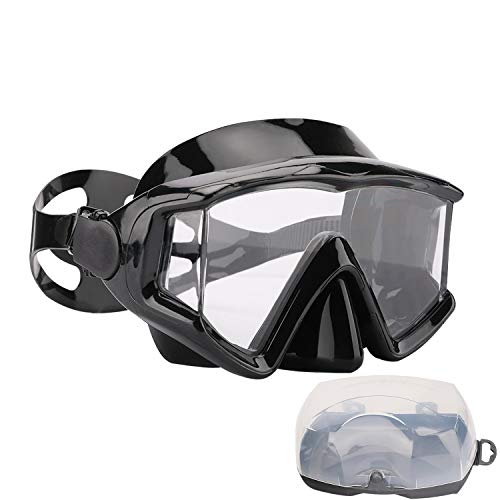
As an Amazon Associate we earn from qualifying purchases at no extra cost to you. Ratings are shown as listed on Amazon.
Quick picks by swimming situation
| Situation | Best choice | Why it fits the use case | Typical price range in 2026 |
|---|---|---|---|
| Frequent snorkeling or travel | Low-volume traditional mask with silicone skirt | More durable, easier to pack, and simpler to rinse and dry | $35–$90 |
| Maximum peripheral vision | Frameless or low-profile mask with side windows | Less frame around the eyes and a broad horizontal field of view | $45–$120 |
| Beginners who dislike a mouthpiece | Full-face mask such as the Decathlon Subea Easybreath or Ocean Reef Aria | Natural nose-and-mouth breathing and an integrated dry snorkel | $40–$130 |
| Swimming close to the surface with occasional dives | Traditional mask with a separate dry-top snorkel | Better equalization and more predictable clearing than most full-face designs | $50–$150 for mask and snorkel |
| Small or narrow face | Small-fit low-volume mask with a soft silicone skirt | Reduces leakage caused by excess skirt width and strap over-tightening | $30–$100 |
Best snorkel masks to consider
Best traditional design: Cressi Big Eyes Evolution
The Cressi Big Eyes Evolution is a strong all-purpose option for swimmers who want a conventional mask with good downward visibility. Its low-profile, dual-lens layout places the tempered-glass lenses relatively close to the eyes, which helps with snorkeling, surface swimming, and modest duck dives. The silicone skirt is usually more forgiving than stiff PVC, particularly around the bridge of the nose and upper cheeks.
Its main limitation is that a dual-lens mask has a visible central frame. That is not usually a practical problem, but swimmers who want the widest uninterrupted view may prefer a frameless mask or a full-face design.
Best for a wide view: Mares X-Vision
The Mares X-Vision family is designed around a broad field of vision, with versions available in different sizes and lens configurations. The soft silicone skirt and adjustable buckles are useful for longer sessions because the mask can seal without being pulled excessively tight. Look for the correct size rather than assuming the largest lens will be the most comfortable.
Some X-Vision versions use coated or treated lenses intended to reduce fogging. These treatments help, but they do not replace cleaning the lens before the first use. Manufacturing residue is a common reason a new mask fogs immediately.
Best for comfort without a mouthpiece: Decathlon Subea Easybreath
The Subea Easybreath is a full-face snorkel mask with a separate breathing chamber and an integrated dry snorkel. It is appealing to beginners who find a traditional mouthpiece tiring or uncomfortable. The panoramic lens gives a broad forward and side view, while the face seal rests around the perimeter rather than only around the eyes.
Full-face designs are intended for relaxed surface snorkeling, not for prolonged underwater swimming or breath-hold diving. Fit is especially important: facial hair, a high hairline, or a skirt that sits on the wrong part of the cheeks can allow leakage or make breathing feel restricted.
Best premium full-face option: Ocean Reef Aria
The Ocean Reef Aria is another established full-face design, with a large viewing area and an integrated snorkel system. It offers the natural breathing pattern that makes full-face masks attractive, while replaceable components and multiple size options can make ownership easier than with an unbranded mask.
Its added structure makes it bulkier than a traditional mask. If your equipment must fit into a small carry-on bag, a low-volume mask and collapsible or compact snorkel usually take less space.
What separates the best snorkel masks from merely adequate ones?
Field of view
Field of view is not just lens size. A large lens can still provide a narrow view if the frame sits far from the face. Low-volume masks place the lens closer to the eyes, improving downward visibility and making the internal air space easier to clear. Side windows or a single-piece lens can expand peripheral vision, but they may add frame width and reduce packability.
Full-face masks generally provide an excellent forward view, but the snorkel housing can be visible above or beside the lens. They also cannot be used like a conventional mask for clearing water from the nose area or equalizing during a dive.
Skirt material and sealing
Look for liquid silicone or high-grade silicone rather than hard PVC when comfort and repeated use matter. Silicone remains flexible across a wider range of temperatures and is less likely to become brittle with regular rinsing. A double-feathered skirt can create two sealing edges, but a simpler skirt may seal better on a particular face.
Color also matters slightly. Clear skirts allow more light into the mask and can feel less enclosed. Black skirts reduce internal reflections and are popular with photographers. Neither is automatically more watertight.
Anti-fog performance
Anti-fog performance depends first on preparation. Wash a new tempered-glass lens with a small amount of non-abrasive dish soap, rinse it thoroughly, and apply a purpose-made mask defogger before each session. Spitting on the lens can work in an emergency, but it is less hygienic and often less consistent.
Do not rub the inside of a treated lens with a towel, abrasive sponge, or household glass cleaner. Scratches and damaged coatings create permanent fogging problems. If fog appears only at the edges, check for hair or an uneven skirt seal; fog is not always an anti-fog failure.
Fit across face sizes
To check fit, place the mask against a dry face without using the strap. Inhale gently through the nose and hold your breath. A suitable mask should remain in place for several seconds without strong suction or painful pressure. Test the seal at the bridge of the nose, beneath the cheekbones, and near the temples.
A mask that leaks should not be fixed by tightening the strap until it hurts. Excess tension can deform the skirt and make leaks worse. If the mask is too wide, select a small or narrow-fit model. If the nose pocket presses against the nostrils, try a different shape rather than merely loosening the strap.
Purge valves and snorkel design
A purge valve is a one-way valve, normally at the lowest point of a traditional mask, that lets water drain when you exhale through the nose. It can make surface swimming more convenient, but it does not compensate for a poor seal. Valves also need occasional inspection because sand, hair, and salt crystals can prevent them from closing.
For the snorkel, a dry-top float valve helps limit water entry when a wave passes over the top. It adds moving parts and can increase breathing resistance, so a simple splash guard may feel better for experienced swimmers. A flexible corrugated section improves comfort, while a drain or purge valve near the mouthpiece makes clearing easier.
Traditional versus full-face: the practical decision
| Criterion | Traditional mask and snorkel | Full-face snorkel mask |
|---|---|---|
| Breathing | Mouthpiece; familiar and easy to replace | Natural nose-and-mouth breathing |
| Typical use | Surface snorkeling plus occasional duck dives | Relaxed surface snorkeling |
| Equalizing | Possible by pinching the nose and using standard techniques | Generally not designed for underwater equalization |
| Clearing water | Well-established mask and snorkel clearing methods | More dependent on the face seal and internal air channels |
| Packability | Usually smaller and easier to separate | Bulkier because the breathing chamber is integrated |
| Best match | Frequent users, divers, and swimmers learning technique | Beginners who prioritize comfort and panoramic surface viewing |
Ownership realities: what wears out first?
The skirt and snorkel mouthpiece usually age before the tempered glass. Salt, chlorine, sunscreen, and ultraviolet exposure gradually make silicone less supple. Rinse the mask and snorkel in fresh water after every use, allow them to dry out of direct sun, and store them loosely rather than under a heavy pile of equipment.
Inspect the strap connection, purge valve, snorkel float mechanism, and mouthpiece before every trip. A replacement strap or mouthpiece is often inexpensive; a cracked skirt, warped frame, or sticky full-face valve is a reason to replace the mask. Do not leave a wet mask sealed in a plastic bag, where odor and microbial growth can develop.
Bottom line
For the widest range of activities, choose a silicone traditional mask with tempered glass, a low-volume shape, and a separate dry-top snorkel. The Cressi Big Eyes Evolution and Mares X-Vision are sensible starting points for different face shapes and visibility preferences. Choose the Decathlon Subea Easybreath or Ocean Reef Aria when natural breathing and a panoramic surface view are your priorities, but confirm the fit carefully and keep full-face use to calm, surface-level snorkeling.


Write Your Review
No reviews yet. Be the first to share your experience!